
Custom Shopping Lists for Interior Design Companies: The Complete Australian Guide
Discover how Australian interior design companies can use custom shopping lists and branded merchandise to impress clients and grow their business.

Written by
Willow Jensen
Eco & Sustainable Products
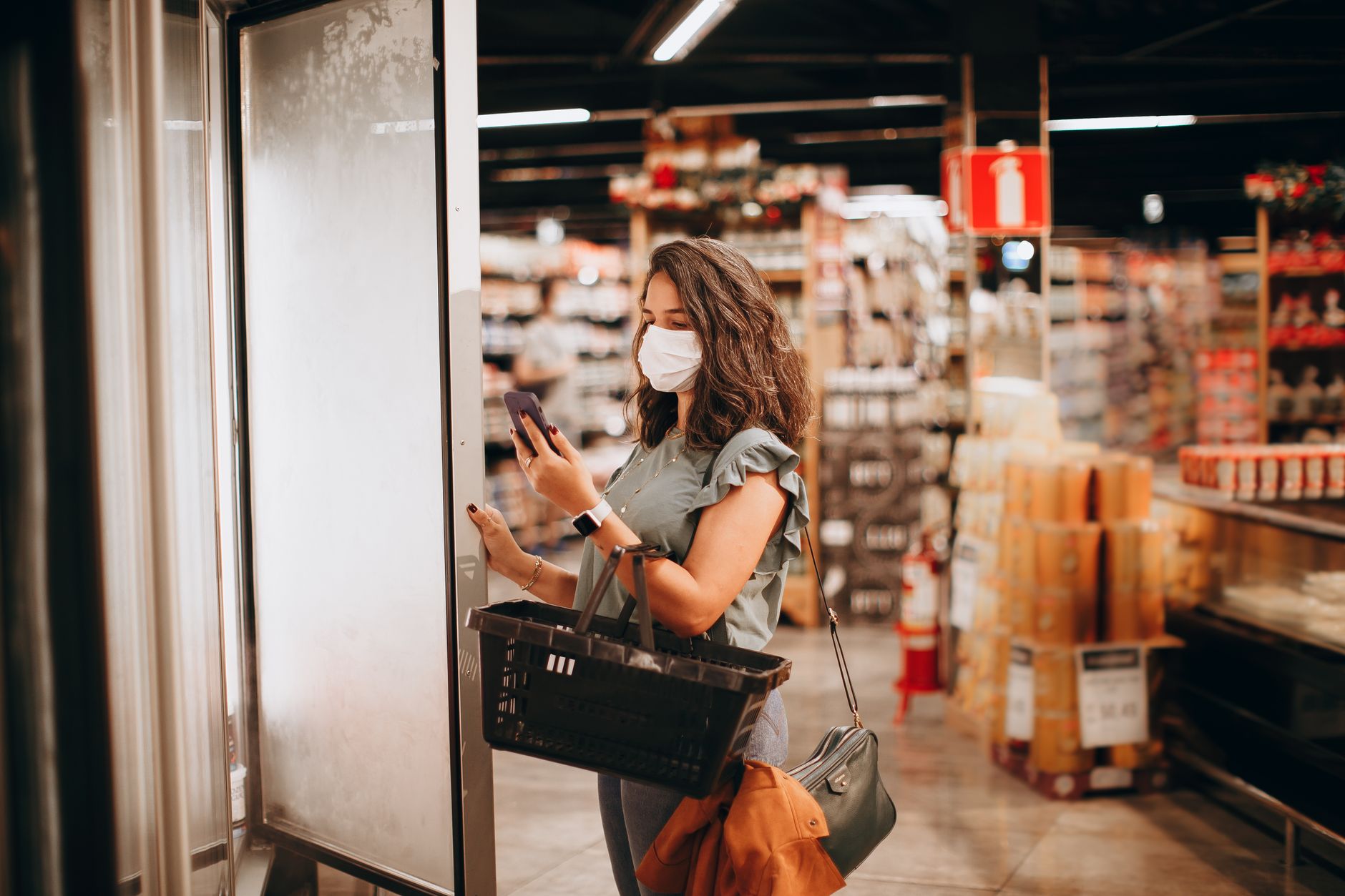
If you run an interior design business in Australia, you already know that every client interaction is an opportunity to reinforce your brand. From the first consultation through to the final reveal, the materials and tools you put in your clients’ hands speak volumes about your professionalism and attention to detail. Custom shopping lists — whether printed, branded, or digitally integrated into client welcome packs — are one of the most underutilised yet powerful touchpoints available to interior design companies across Sydney, Melbourne, Brisbane, and beyond. Done well, they don’t just help clients stay organised; they position your studio as polished, premium, and deeply invested in the client experience.
Why Custom Shopping Lists Matter for Interior Design Companies in Australia
The interior design industry is intensely relationship-driven. Clients hire you not just for your eye for aesthetics, but for your ability to guide them through a process that can feel overwhelming. A well-designed, custom shopping list communicates exactly that: you’ve thought of everything, and you’re here to make this easier.
But there’s more to it than function. When a client receives a beautifully branded shopping list — whether it’s a printed pad, a laminated checklist, or a custom notebook — they’re holding a physical manifestation of your brand values. It’s tangible. It’s shareable. It often ends up on kitchen benches, office desks, and in handbags, quietly marketing your studio to anyone who sees it.
For interior design companies in particular, the visual quality of your branded materials matters enormously. Your clients are aesthetically aware. A generic, unbranded document simply won’t cut it. Custom-designed shopping lists that align with your studio’s visual identity — your colour palette, typography, and logo — signal that you apply the same rigorous attention to detail in your work as you do in your business materials.
What Makes a Shopping List “Custom” for an Interior Design Context?
Custom shopping lists for interior design companies go well beyond a logo slapped on a generic template. Truly effective branded lists are tailored to specific project phases — for example, a “Room-by-Room Furniture Checklist,” a “Paint and Finishes Selection Guide,” or a “Soft Furnishings and Accessories Shopping List.” They reflect the studio’s preferred product categories, supplier relationships, and design methodology.
These can be produced as:
- Printed notepads (A5 or A4, with 25 to 100 tear-off sheets)
- Spiral-bound client workbooks
- Laminated one-page reference cards
- Branded digital PDFs integrated into client portals
- Custom notebooks with pre-printed interior pages
For physical formats, decoration methods like full-colour digital printing are ideal for short to medium runs, while offset printing becomes cost-effective at larger quantities. If you’re producing a premium hardcover workbook for high-end residential clients, consider debossing your logo on the cover alongside interior pages that are digitally printed.
Building the Ultimate Custom Shopping List Kit for Interior Design Clients
The most effective approach isn’t a single document — it’s a curated kit that clients can work through as their project progresses. Think of it as your branded client toolkit. Here’s how to think about building one.
Start With a Client Welcome Pack
First impressions are everything in interior design. A well-assembled welcome pack sets the tone immediately. This typically includes a custom welcome letter, a project timeline overview, and — crucially — an initial shopping list or “needs assessment” checklist that helps clients articulate what they’re looking for before your first detailed consultation.
For the physical elements of the pack, consider pairing your custom shopping list with a branded tote bag or folder. A Sydney-based interior design studio, for example, might present a premium linen-look tote containing a custom notebook, a branded pen, and a suite of printed checklists. This isn’t just functional — it’s a gift that clients genuinely appreciate and remember. You can explore how to build out these types of kits further in our guide to custom meditation kits for corporate wellness programs, which covers a similar bundled-kit approach applicable across many professional service businesses.
Phase-Based Shopping Lists
Experienced interior designers know that overwhelming a client with every decision at once leads to decision fatigue and project delays. Phase-based custom shopping lists solve this problem elegantly.
Consider producing separate checklists for:
Phase 1 – Structural and Major Purchases
- Flooring selections
- Window treatments (blinds, curtains, shutters)
- Major furniture pieces (sofas, beds, dining tables)
- Kitchen and bathroom fixtures
Phase 2 – Lighting and Electrical
- Pendant lights, floor lamps, task lighting
- Smart home integrations (increasingly common in Australian new builds)
- Artwork lighting
Phase 3 – Soft Furnishings and Accessories
- Cushions, throws, rugs
- Artwork and wall décor
- Plants and greenery
- Decorative objects and styling items
Each checklist can be branded, dated, and tied to your project management system. They give clients a sense of progress and help keep projects on track — and they carry your branding through every phase.
Budgeting for Custom Printed Shopping Lists
Cost is always a consideration. Here’s a realistic breakdown for Australian interior design studios thinking about investing in custom printed materials.
For a standard A5 notepad (50 pages, full-colour cover, single-colour interior pages), you’re typically looking at minimum order quantities (MOQs) of 50 to 100 units, with unit costs ranging from approximately $4 to $10 depending on quality and quantity. Spiral-bound workbooks with printed interior pages sit higher — often $15 to $30 per unit at low volumes — but the perceived value they deliver to premium clients often more than justifies the spend.
Setup fees for print jobs can range from $50 to $150 depending on the printer and complexity of artwork. If your studio doesn’t have in-house graphic design capability, factor in design fees as well. However, if you already have brand guidelines and editable templates, your setup costs drop considerably.
For smaller boutique studios just getting started, digital PDFs are a cost-effective way to provide branded, professional-looking shopping lists without the upfront print investment — and they’re easy to update as your supplier relationships and product recommendations evolve.
Branded Merchandise That Complements Your Custom Shopping Lists
Custom shopping lists are most powerful when they sit within a broader branded merchandise strategy. Interior design clients are visually attuned — they notice when your entire client experience is cohesive and considered.
Branded Stationery Essentials
A branded pen seems simple, but it’s the tool your client uses to tick off items on that custom shopping list. Pairing them together elevates both items. For a premium feel, consider metal pens with laser engraving rather than standard plastic options with pad printing. Your logo rendered in laser engraving on a brushed metal barrel looks the part in a high-end residential client’s hand.
Branded sticky notes, rulers, and colour swatch organisers are other stationery items that resonate particularly well in an interior design context.
Custom Notebooks as Client Gifts
A beautifully produced custom notebook — whether hardcover with debossed branding or a softcover with a printed design — is one of the most appreciated client gifts across the professional services sector. For interior design, a notebook can serve double duty: it’s a gift that reinforces your brand, and it’s a practical tool your client uses to capture notes, ideas, and inspiration throughout the project.
Our article on custom t-shirts for Australian businesses explores how branded items build ongoing visibility — a principle that applies equally to premium stationery and lifestyle merchandise.
Tote Bags and Project Carriers
Interior design projects generate a lot of physical samples — fabric swatches, paint chips, material boards, tile samples. A custom branded tote or carry bag is a genuinely useful item that your clients will use constantly during the project. It also travels well to supplier showrooms, trade visits, and open homes, keeping your brand visible well beyond the project itself.
Tech Accessories for the Modern Interior Design Studio
Today’s interior designers increasingly work across digital platforms, sending 3D renders, virtual walkthroughs, and digital product catalogues to clients. Branded tech accessories — USB drives pre-loaded with project files, branded phone mounts for clients who are doing renovation site visits, or custom power banks — can be incorporated into client welcome packs as thoughtful, practical additions.
It’s worth keeping an eye on where technology is heading in branded merchandise more broadly — our piece on smart promotional products with IoT connectivity is a fascinating read if you’re thinking about how tech is reshaping branded merchandise for professional service businesses.
For specific branded product examples like vehicle-mounted tools for mobile professionals, our article on branded GPS phone mount sets demonstrates how functional branded tech items can complement a professional services toolkit.
Tips for Ordering Custom Shopping Lists and Branded Merchandise in Australia
Getting the ordering process right will save you time, money, and frustration. Here are some practical guidelines.
Plan your artwork early. Supply print-ready files in PDF or AI format with all fonts outlined and images embedded at 300dpi minimum. CMYK colour mode is standard for most print jobs. If your brand uses PMS (Pantone) colours, confirm with your supplier whether PMS matching is available — it’s typically an additional cost but ensures colour consistency across all your branded materials.
Order samples where possible. Before committing to a large print run of custom notepads or workbooks, request a physical sample or digital proof. This is standard practice and reputable Australian suppliers will accommodate this.
Consider turnaround times. Standard turnaround for custom printed stationery in Australia is typically 10 to 15 business days after proof approval. If you’re preparing materials for a major project launch or an end-of-year client gift campaign, allow extra lead time, particularly during the October to December period when print suppliers experience peak demand.
Think about sustainability. Many interior design clients in 2026 are deeply conscious of environmental impact — particularly those commissioning sustainable or biophilic-inspired interiors. Recycled paper notepads, FSC-certified workbooks, and soy-based inks are worth exploring as part of your branded materials offer. Our guide to branded merchandise for tourism operators in the Barossa Valley touches on how businesses across Australia are integrating sustainability into their branded merchandise decisions.
You might also find value in exploring 3D printable branded items if you’re looking for highly customised, small-run physical tools — an emerging option for design studios wanting truly bespoke client materials.
Conclusion: Key Takeaways for Interior Design Companies
Custom shopping lists and branded merchandise represent a genuine competitive advantage for interior design companies operating in Australia’s increasingly crowded market. When your client experience is cohesive, considered, and beautifully executed, it reflects directly on the quality of your design work.
Here are the key points to take away:
- Custom shopping lists are a branding opportunity, not just a functional tool — design them to reflect your studio’s visual identity and values
- Phase-based checklists reduce client overwhelm and keep projects on track while keeping your brand visible throughout the entire project lifecycle
- Pair shopping lists with complementary branded merchandise — pens, notebooks, totes, and tech accessories — to create a cohesive client kit
- Budget realistically: even a modest investment in custom printed materials delivers strong returns through client satisfaction, referrals, and brand positioning
- Plan ahead for artwork, proofing, and lead times — especially if you’re launching a new suite of branded materials before a busy season
- Sustainability matters to interior design clients in 2026, so consider recycled and eco-certified materials wherever possible
Whether you’re a sole trader operating from a Perth home studio or a multi-designer firm with offices across Melbourne and Sydney, investing in custom-branded client materials is one of the most effective ways to communicate your professionalism, build client loyalty, and set your interior design business apart.