
How to Order Custom T-Shirts Online in Australia: The Complete Guide
Everything Australian businesses and organisations need to know about ordering custom t-shirts online — from artwork to delivery.

Written by
Mason Park
Custom Apparel
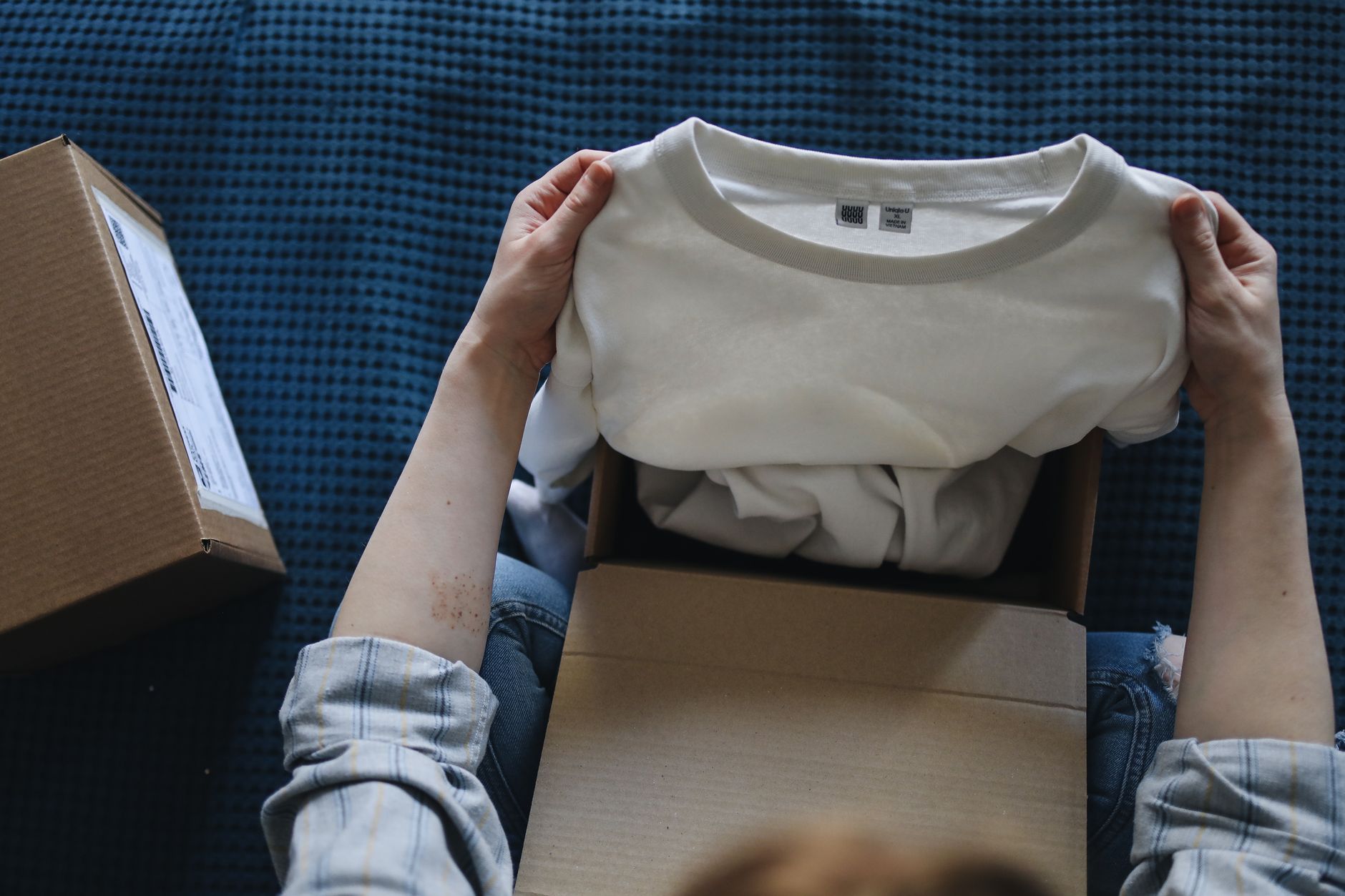
Ordering custom t-shirts in Australia has never been more accessible, yet the process can still feel overwhelming if you’ve never done it before. Whether you’re a Sydney startup kitting out your team, a Brisbane primary school preparing for sports day, or a Melbourne event organiser sourcing merchandise for a festival, getting your order right the first time saves time, money, and a lot of frustration. This guide walks you through everything you need to know about ordering custom t-shirts Australia online — from choosing the right fabric and decoration method to managing turnaround times and artwork requirements — so you can approach your next order with confidence.
Why Custom T-Shirts Remain One of Australia’s Most Popular Branded Products
There’s a reason custom t-shirts consistently top the list of ordered promotional products across the country. They’re versatile, cost-effective at scale, and genuinely useful — meaning recipients actually wear them, extending your brand’s reach far beyond the initial giveaway or event.
For corporate teams, branded tees reinforce company culture and create visual unity at conferences, trade shows, and team-building days. For schools and sporting clubs, they build a sense of belonging and identity. For event planners and charities running fundraising campaigns, they serve as a tangible symbol of participation. The applications are almost endless, which is why demand for custom t-shirts Australia online continues to grow year after year.
Beyond their practical appeal, t-shirts offer excellent value for money when ordered in bulk. As quantities increase — typically from 25 units upward — the cost per unit drops significantly, making them one of the most budget-friendly branded merchandise options available. If you’re exploring other promotional products to complement your t-shirt order, it’s worth reading our guide to top-rated corporate gifts in Australia for inspiration across a broader range of categories.
Choosing the Right T-Shirt Style and Fabric
Before you even think about your logo placement, you need to select the right garment. This decision affects print quality, wearability, and ultimately how your brand is perceived.
Fabric Weight and Composition
Australian conditions vary enormously — from Darwin’s humidity to Hobart’s cool winters — so fabric choice matters. Most promotional t-shirts fall into three broad categories:
- Lightweight (130–150gsm): Ideal for outdoor summer events, festivals, and warm climates. Thin and breathable, though less durable long-term.
- Mid-weight (160–180gsm): The most popular choice for general use. Strikes a balance between comfort, durability, and print quality.
- Heavyweight (200gsm+): Best for corporate uniforms and workwear where longevity is a priority.
Cotton remains the most popular choice for decoration quality and breathability, while cotton-polyester blends offer added durability and colour retention. 100% polyester is the go-to for sportswear and sublimation printing, as the fabric holds vibrant, all-over colour exceptionally well.
Fit and Sizing
Standard unisex fits work well for large mixed-gender groups, but if you’re ordering corporate uniforms or branded staff apparel, consider whether you need fitted women’s cuts, youth sizes, or tall sizing. Always request a size chart before placing your order, and if budget allows, order samples in key sizes before committing to a full run.
Understanding Decoration Methods for Custom T-Shirts
The decoration method you choose has a significant impact on the final result, cost structure, and minimum order quantities. Each technique has its strengths, and the right choice depends on your artwork, garment fabric, and intended use.
Screen Printing
Screen printing is the industry standard for bulk t-shirt orders in Australia. It produces vibrant, durable results and becomes very cost-effective at quantities of 50 or more units. It works best with solid-colour designs (typically up to 4–6 spot colours) and is ideal for bold logos, text, and graphic artwork.
The main consideration with screen printing is that each colour requires a separate screen, which means setup fees apply per colour per location. For high-volume orders, these setup costs are quickly absorbed. For a detailed breakdown of how this compares to other methods, see our guide to screen printing vs vinyl cutting for promotional products.
Direct-to-Garment (DTG) Printing
DTG printing works like an inkjet printer for fabric, making it perfect for complex, photographic, or multi-colour designs with gradients. There are no setup fees per colour, which makes it more economical for smaller runs (under 25 units). However, DTG works best on 100% cotton or high-cotton-blend fabrics, and the wash durability, while improving with technology, is generally slightly less robust than screen printing.
Heat Transfer and Vinyl Cutting
Heat transfer is a versatile option for smaller quantities and names/numbers on sports jerseys. Vinyl cutting suits simple, single-colour designs and is popular for one-off personalisation. Learn more in our detailed post on vinyl cutting for promotional products.
Embroidery
While embroidery is less common on t-shirts than polos or caps, it’s an excellent option for premium branded tees where a professional, textured finish is desired. It works particularly well for chest logos on corporate uniforms. Understanding the embroidery digitisation process is worthwhile if you’re considering this method — your artwork needs to be converted into a digital stitch file before production begins.
Sublimation Printing
Sublimation is the preferred method for all-over printed t-shirts and sportswear. It produces stunning, edge-to-edge graphics that won’t crack or peel. However, it requires 100% polyester fabric and works best on white or very light-coloured garments.
Artwork Requirements: Getting Your Files Print-Ready
Artwork quality is one of the most common causes of delays and disappointment when ordering custom t-shirts Australia online. Here’s what you need to know before submitting your files.
File Formats
Vector files (AI, EPS, or PDF with embedded fonts) are the gold standard for most decoration methods. They can be scaled to any size without losing quality. Raster files (JPEG, PNG) are acceptable for DTG printing but must be at a minimum of 300 DPI at the intended print size.
Colour Matching
If your brand colours need to be exact, always specify PMS (Pantone Matching System) colour codes. Screen printers can match inks to your specified Pantone, but be aware that colours on digital screens rarely match printed output exactly. For guidance on colour specification in promotional products more broadly, our foil stamping temperature guide for branded stationery touches on how colour precision applies across different decoration methods.
Proof Approval
Reputable suppliers will always provide a digital proof — often called an “e-proof” or “virtual mock-up” — before production begins. Review this carefully for placement, sizing, and any spelling errors. Once approved, production errors that mirror the approved proof are your responsibility.
Minimum Order Quantities, Pricing, and Turnaround Times
Understanding the commercial side of ordering custom t-shirts online is essential for budget planning and project management.
Minimum Order Quantities (MOQs)
For screen printing, most Australian suppliers set MOQs at 12–25 units per design and colourway. DTG printing often has no minimum at all, though pricing per unit is higher. Sublimation generally requires a minimum of 20–50 units depending on the supplier.
Pricing Tiers
Bulk pricing breaks typically occur at 25, 50, 100, 250, and 500+ units. The per-unit cost reduction between 25 and 100 units can be substantial — sometimes 30–40% — so it’s often worth adjusting your quantity upward slightly to hit the next pricing tier.
Turnaround Times
Standard production turnaround in Australia is typically 10–15 business days after proof approval. Rush or express services (5–7 business days) are available from many suppliers but often carry a surcharge of 15–25%. Always factor in delivery time on top of production, particularly if you’re in regional WA, NT, or Tasmania where freight takes longer.
If you’re planning promotional merchandise for an upcoming event or campaign, our post on promotional giveaways for festivals in Australia has useful advice on forward planning timelines that apply equally well to t-shirt orders.
Practical Tips for a Smooth Online Order
Even experienced buyers can run into issues. These practical tips help you avoid the most common pitfalls.
Start with a sample. If you’re ordering more than 100 units, request a printed sample before full production. This adds time to your project but protects your investment.
Consolidate your sizes upfront. Collect size preferences from recipients before placing your order. Size changes or additions after production has started are costly and sometimes impossible.
Consider packaging and distribution. If you’re sending t-shirts to multiple locations across Australia — say, a Perth office and a Brisbane team — factor in bundling and freight logistics. Our resource on merchandise in Perth covers some of the freight-specific considerations for WA-based deliveries.
Think beyond the t-shirt. Custom tees work brilliantly as part of a broader merchandise bundle. Consider pairing them with summer branded gifts for clients, custom tote bags, or even promotional giveaways for welcome events to create a cohesive branded experience.
Review consumer behaviour data. Understanding how recipients perceive and use branded merchandise can help you justify your budget internally. Our post on promotional products and consumer behaviour provides useful data points for making the business case.
Special Use Cases Worth Knowing
Charity and Fundraising Campaigns
Custom t-shirts are a staple of charity fundraising across Australia. From school fun runs to corporate charity challenges, branded tees create a sense of collective purpose. If you’re involved in a cause-based campaign, our post on Jeans for Genes Day branded accessories for charity offers related inspiration for charity merchandise planning.
Eco-Friendly Options
Demand for sustainable branded apparel is growing steadily in 2026. Organic cotton, recycled polyester, and ethically certified garments are increasingly available from Australian suppliers. If sustainability is a priority for your organisation — particularly relevant for government departments, councils, and B-Corp businesses — pairing your t-shirt order with other eco-conscious choices is worth exploring. Our guide to eco-friendly packaging in Brisbane is a useful companion read.
Unique and Elevated Corporate Gifting
Sometimes a plain branded tee isn’t enough. If you’re looking to make a stronger impression — particularly for executive audiences or premium client gifts — consider how custom apparel fits into a broader gifting strategy. Our post on unique corporate gifting ideas explores how to elevate your branded merchandise beyond the basics.
Conclusion: Key Takeaways for Ordering Custom T-Shirts Australia Online
Ordering custom t-shirts online in Australia doesn’t need to be complicated, but it does reward preparation and planning. Here’s a quick summary of the most important points to carry away:
- Choose your garment and fabric first — weight, composition, and fit all affect print quality and wearability, so get this right before thinking about decoration.
- Match your decoration method to your design and quantity — screen printing wins on volume, DTG suits complex small runs, and sublimation is unbeatable for all-over prints.
- Prepare print-ready artwork before you start — vector files at the correct colour specification will save time, avoid delays, and deliver better results.
- Plan your timeline generously — factor in proof approval, production, and freight, especially for interstate deliveries or regional locations.
- Think beyond the single product — custom t-shirts work best as part of a coordinated branded merchandise strategy, whether for corporate events, schools, sporting clubs, or community organisations.
With the right preparation and a clear brief, your next custom t-shirt order can be a smooth, rewarding experience — and a genuinely effective tool for building brand awareness, team cohesion, or community identity across Australia.