
Custom Print T-Shirts in Australia: The Complete Ordering Guide for 2026
Everything Australian businesses and event planners need to know about ordering custom print t-shirts — from decoration methods to budgeting tips.

Written by
Mason Park
Custom Apparel
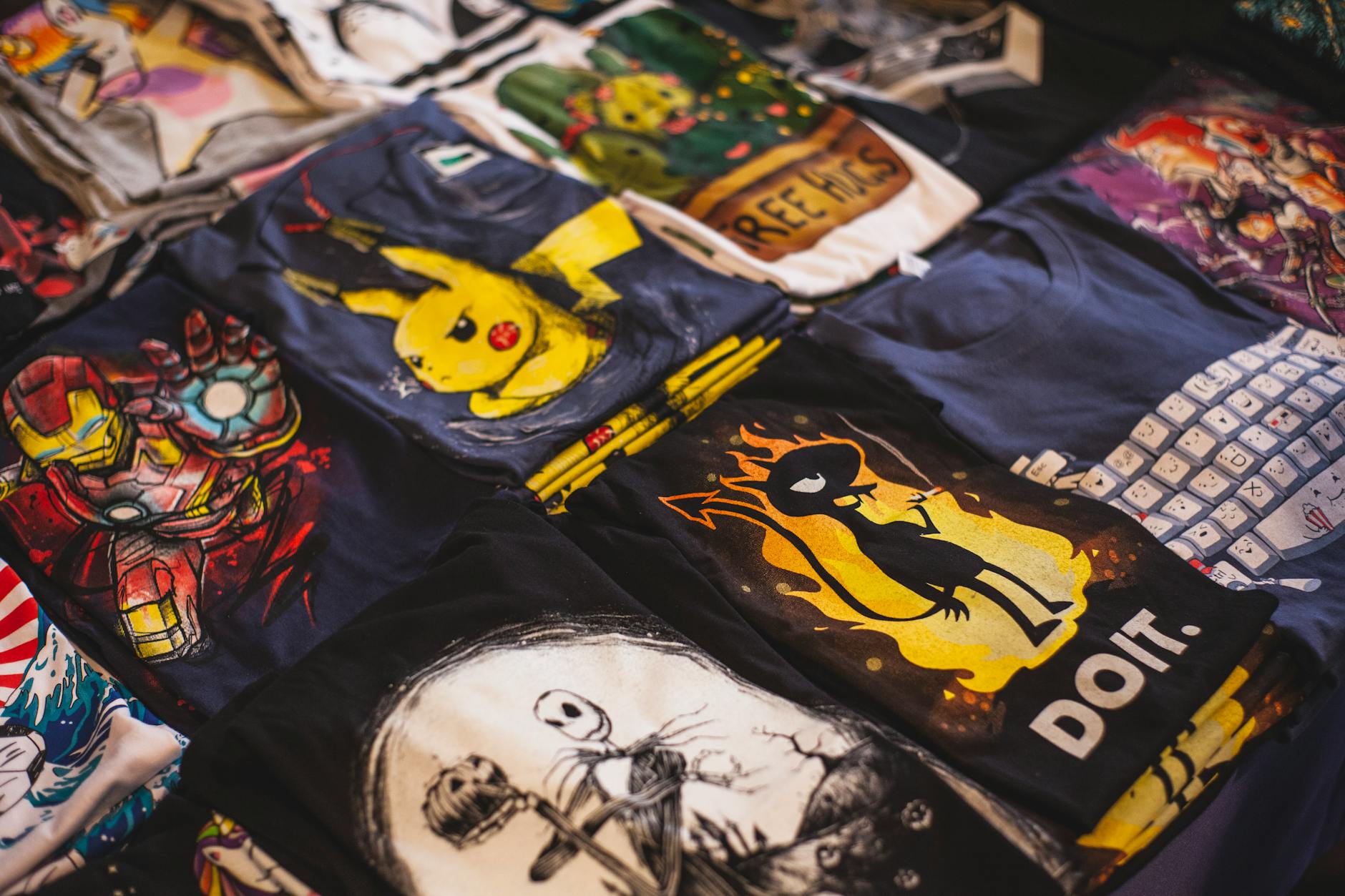
Getting custom print t-shirts made in Australia is one of the most effective ways to build brand visibility, unify a team, or create a memorable event experience. Whether you’re a Sydney startup kitting out your first team, a Brisbane primary school organising sports day, or a Melbourne charity putting together volunteer uniforms, custom t-shirts punch well above their weight when it comes to cost-per-impression. But navigating the ordering process — choosing the right fabric, decoration method, print quantity, and supplier — can feel overwhelming if you’ve never done it before. This guide breaks it all down so you can approach your next custom t-shirt project with confidence.
Why Custom Print T-Shirts Remain Australia’s Most Popular Branded Apparel
There’s a reason custom t-shirts have been a staple of Australian branded merchandise for decades. They’re versatile, comfortable, and highly visible. A person walking down Bourke Street in Melbourne or along Brisbane’s South Bank wearing a branded tee is essentially a walking advertisement — and unlike a digital ad, that impression doesn’t disappear the moment someone scrolls past.
From a cost perspective, custom print t-shirts offer exceptional value at scale. As order quantities increase, the per-unit cost drops significantly, making them one of the most budget-friendly options for large teams, events, and community organisations. For businesses and organisations running festivals, markets, expos, or charity fundraisers, few products deliver as broad a reach for the investment. If you’re planning promotional giveaways for festivals in Australia, custom t-shirts consistently rank among the most appreciated and retained items.
The appeal also crosses industries. Schools need them for sports carnivals and excursions. Corporates order them for team-building days and trade shows. Not-for-profits use them to build community identity. Construction and outdoor crews increasingly opt for hi-vis variants for safety and compliance. The versatility of the humble t-shirt is genuinely hard to beat.
Understanding Decoration Methods for Custom Print T-Shirts in Australia
One of the first — and most important — decisions you’ll make when ordering custom print t-shirts in Australia is the decoration method. Each technique has its own strengths, ideal use cases, and cost implications.
Screen Printing
Screen printing is the industry workhorse, and for good reason. It produces vibrant, durable prints that hold up wash after wash. It’s best suited to designs with a limited number of solid colours and works especially well for larger order quantities — typically 20 units or more. Each colour in your design requires a separate screen, so setup fees apply, but these costs are quickly offset by volume. For a Gold Coast surf school ordering 100 crew tees, or a Perth sporting club producing jerseys for a full season, screen printing is often the go-to choice.
Digital (DTG) Printing
Direct-to-garment (DTG) printing works similarly to an inkjet printer but applies the ink directly onto the fabric. It’s ideal for complex, full-colour designs and photo-realistic artwork. DTG doesn’t involve screens or per-colour setup costs, making it more economical for smaller runs — sometimes as few as one or two units. The trade-off is that it typically works best on 100% cotton fabrics and isn’t always as cost-effective at very high volumes as screen printing.
Heat Transfer
Heat transfer involves printing a design onto transfer paper and then pressing it onto the garment using heat and pressure. It’s a flexible option that works across a range of garment types and can accommodate full-colour designs. It suits short runs and is often used for name and number personalisation on sports uniforms.
Sublimation
Sublimation printing infuses dye directly into synthetic fabric, producing vivid, all-over prints that won’t crack or peel. It’s the preferred method for sportswear, activewear, and garments that require edge-to-edge design. Sublimation requires light-coloured or white polyester-blend fabrics to work effectively.
Understanding which method suits your project will shape decisions around design, fabric choice, and budget. If you’re weighing up embroidery versus printing for a more corporate-looking result, the decoration method can significantly impact the finished aesthetic. You might also want to explore our guide to custom t-shirts available online across Australia for a broader look at what’s available through the ordering process.
Choosing the Right Fabric and Garment Style
The decoration method you choose will partly dictate your fabric options, but it’s worth thinking about garment selection independently too. Australian conditions vary enormously — from Darwin’s tropical humidity to Hobart’s cool winters — so matching the garment to the end use is important.
100% Cotton remains the most popular choice for casual tees, promotional items, and event apparel. It’s breathable, comfortable, and takes screen printing and DTG beautifully. It does, however, tend to shrink slightly and wrinkle more readily than blends.
Cotton/Polyester Blends offer improved durability and moisture management. They’re a popular choice for active use and hold their shape better over time. The blend ratio affects print results, particularly for DTG, so always check with your supplier before committing to a fabric.
100% Polyester is the standard for sublimation-printed sportswear and hi-vis workwear. It’s lightweight, moisture-wicking, and durable, making it ideal for outdoor and active environments.
Bamboo and Organic Cotton are increasingly popular choices for organisations with sustainability commitments. These eco-friendly options come at a slightly higher per-unit cost but signal environmental responsibility — relevant for councils, charities, and businesses whose audiences value sustainable practices.
Beyond fabric, think about garment cut and weight. A 180gsm crew-neck tee suits casual brand promotion, while a 220gsm fitted style projects a more polished look for corporate applications.
Budgeting for Custom Print T-Shirts: What to Expect
Budget is often the primary concern for businesses and organisations ordering custom apparel. Here’s a realistic breakdown of what you should anticipate.
Minimum Order Quantities (MOQs): Screen printing suppliers typically require a minimum of 12–24 units, though many will accept smaller orders at a premium. DTG orders can often be as low as one unit. Sublimation and heat transfer MOQs vary by supplier.
Setup Fees: Screen printing involves screen setup fees — usually $30–$60 per colour, per print location. These are one-off costs per design, so they become proportionally less significant as quantities increase.
Per-Unit Pricing: At low quantities (12–24 units), expect to pay $20–$40 per shirt for screen printing, depending on design complexity and garment quality. At 100+ units, this can drop to $10–$20 per shirt. DTG runs higher per unit for small quantities but avoids setup fees.
Artwork Preparation: If your artwork isn’t print-ready (supplied as vector files at the correct specifications), you may incur artwork preparation fees. Always provide high-resolution vector files (AI, EPS, or PDF) where possible.
Turnaround Times: Standard production in Australia typically runs 10–15 business days after artwork approval. Express options exist but often attract a surcharge. Factor in delivery time, particularly if you’re in a regional area of Queensland, Western Australia, or South Australia.
For organisations managing broader branded merchandise programs — say, a Canberra government department rolling out staff uniforms — it’s worth considering whether t-shirts can be bundled with other product orders to consolidate freight and potentially negotiate better overall pricing. Items like branded steel water bottles or custom tote bags often complement a t-shirt order well and may be sourced from the same supplier.
Artwork, Colours, and Brand Consistency
Getting your artwork right before you submit an order will save you time, money, and frustration. Here are the most important considerations.
Vector artwork is essential for screen printing. If your logo only exists as a JPEG or PNG, you’ll need a designer to recreate it in vector format. Most promotional merchandise suppliers will offer this as a paid service, but having a clean vector file ready will streamline the process considerably.
PMS colour matching allows you to specify exact brand colours rather than relying on approximate digital colour references. If your brand has prescribed Pantone colours, always communicate these to your supplier. Screen printing allows for precise PMS matching; DTG and sublimation use CMYK processes, which can approximate but not always perfectly replicate PMS colours.
Print locations also require careful consideration. Common positions include the chest (left or centre), full front, upper back, and sleeves. Each additional print location adds cost, particularly with screen printing.
If you’re working with a complex branding project — perhaps producing merchandise for a tourism operator’s retail range — understanding colour consistency across products is crucial. Our resource on custom branded merchandise for tourism operators in the Barossa Valley covers some of these multi-product branding considerations in detail.
Practical Tips for a Smooth Custom T-Shirt Order
After covering the technical side, here are some practical tips that experienced merchandise buyers in Australia swear by:
- Order a pre-production sample before committing to a full run. This is especially important for new designs or unfamiliar garment styles.
- Size your order realistically. Collect size data from recipients before you finalise quantities. Most suppliers won’t accept returns on custom-printed garments.
- Plan early. Events, trade shows, and school terms create predictable peak demand periods. Ordering 4–6 weeks ahead gives you a comfortable buffer.
- Consolidate your order. If you need t-shirts alongside other branded items for an event — perhaps custom outdoor games for a beach activation or delegate packs for a conference — placing as much as possible with a single supplier simplifies logistics. Check out our guide to promotional giveaways for festivals in Australia for ideas on complementary products.
- Consider your washing care instructions when specifying fabric and decoration method, particularly for items that will be washed frequently (sports uniforms, workwear).
- Think about reorder potential. If you anticipate ongoing orders — for a growing team or annual event — choose a supplier that can reliably source the same garment and reprint consistently.
For organisations managing a broader branded merchandise mix, it’s also worth exploring merchandise options available across Perth or considering whether your event or product strategy could incorporate trending items like smart promotional products with IoT connectivity.
Conclusion: Key Takeaways for Ordering Custom Print T-Shirts in Australia
Custom print t-shirts in Australia represent one of the most cost-effective and impactful branded merchandise investments available to businesses, organisations, and event planners. With a clear understanding of your options, a well-prepared brief, and a realistic timeline, the process doesn’t have to be complicated.
Here’s a summary of what to keep in mind:
- Match your decoration method to your order size and design. Screen printing suits larger runs with bold graphics; DTG suits smaller, complex orders; sublimation is ideal for sportswear and all-over prints.
- Choose your fabric thoughtfully. Consider the end use, climate, and sustainability requirements before committing to a garment style.
- Budget for setup costs and artwork preparation alongside the per-unit price — especially for first-time orders.
- Provide vector artwork and specify PMS colours to ensure consistent brand representation across your merchandise.
- Plan well ahead of your deadline — aim for at least four to six weeks to allow for production, proofing, and delivery.
Whether you’re kitting out a team of five in Adelaide or producing 500 tees for a national conference in Sydney, understanding the process puts you in the best possible position to get a result you’ll be proud of — and that your audience will actually want to wear.