
What Are Merchandise? A Complete Guide to Branded Products for Australian Organisations
Discover what merchandise is, how it works, and why branded products are essential for Australian businesses, events, and organisations.

Written by
Connor Dupont
Corporate Gifts
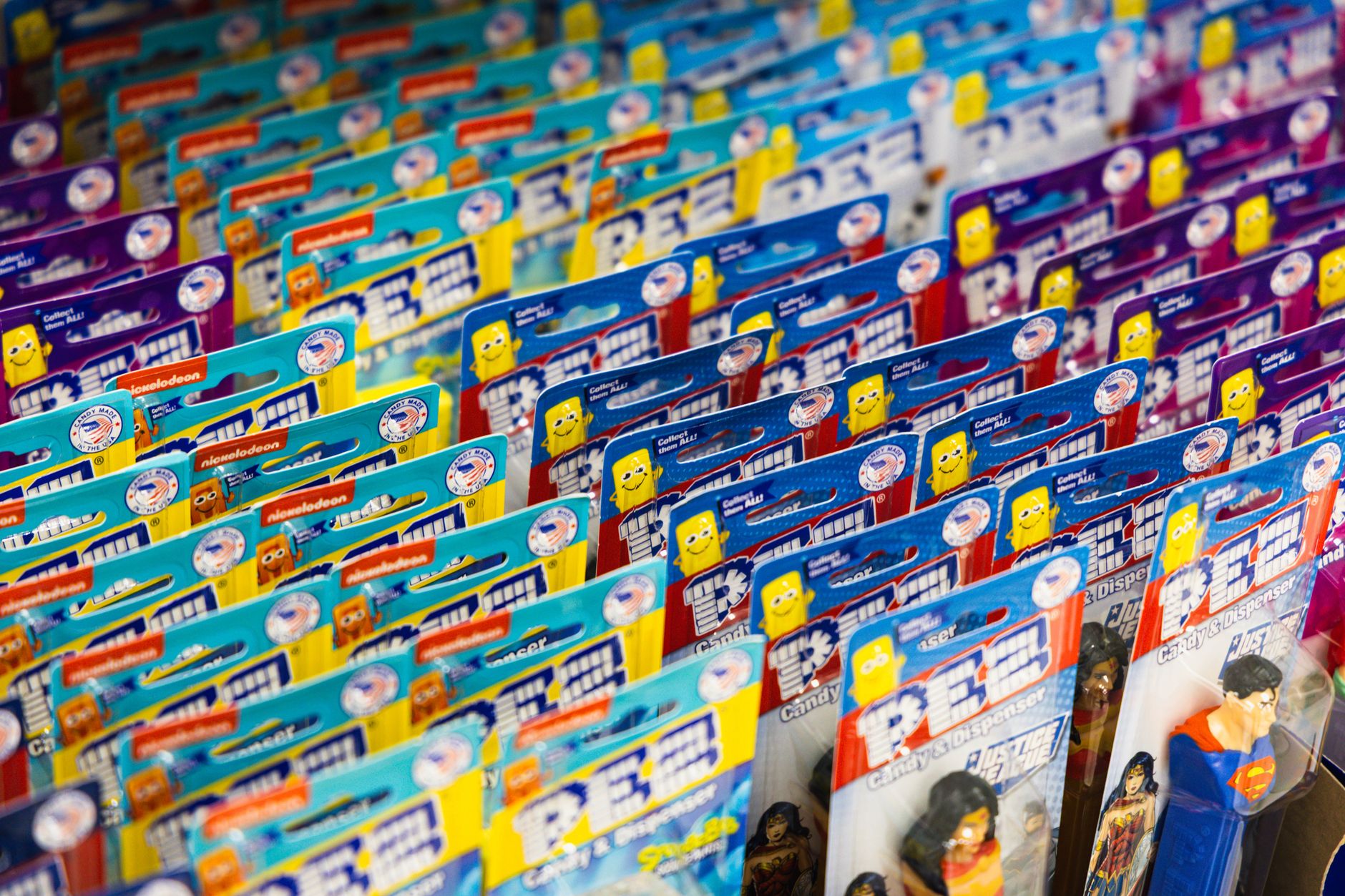
Merchandise is one of those words that gets used constantly in business conversations, yet its full meaning — and everything it can do for an organisation — is rarely explained clearly. Whether you’re a marketing manager in Sydney planning a product launch, an event coordinator in Brisbane organising a corporate conference, or a school principal in Adelaide putting together a fundraising drive, understanding what merchandise actually is (and how to use it strategically) can transform the way you connect with your audience. This guide breaks it all down, from the basics through to practical ordering advice, so you can make confident, informed decisions about branded products for your organisation.
What Are Merchandise, Exactly?
At its most fundamental level, merchandise refers to goods that are bought, sold, or distributed — typically in a commercial context. But when people ask “what are merchandise?” in the context of marketing and branding, they’re almost always referring to branded merchandise: physical products that carry an organisation’s logo, name, colours, or message.
Branded merchandise can take dozens of forms. Think custom t-shirts printed with a company logo, engraved pens handed out at trade shows, reusable tote bags distributed at community events, or branded water bottles gifted to corporate clients. What unites all of these products is purpose: they’re designed to build brand awareness, foster goodwill, reward loyalty, or create a lasting impression.
In Australia, branded merchandise has become a cornerstone of marketing strategies across virtually every sector. From government departments in Canberra sourcing promotional products for community engagement campaigns, to sporting clubs in Melbourne kitting out their members with custom apparel, the demand for quality branded goods continues to grow year after year.
You can explore the full range of what’s available across product categories in our comprehensive overview of promotional products.
The Different Types of Merchandise
One of the first things to understand is that merchandise isn’t a single product category — it’s an umbrella term covering a vast range of items. Let’s break down the most common types you’ll encounter.
Apparel and Wearables
Custom clothing is arguably the most popular form of branded merchandise in Australia. This includes t-shirts, polo shirts, hoodies, caps, and hi-vis workwear. Apparel works particularly well for building team identity, creating a unified look at events, or giving customers something wearable they’ll actually use.
For example, a surf school on the Gold Coast might order sublimation printed shirts with a vibrant all-over design, while a construction company in Perth might focus on embroidered polo shirts or hi-vis vests for their crew. If you’re in Sydney and need headwear for a promotional campaign or staff uniform, our roundup of top-rated custom caps in Sydney is a great starting point.
Drinkware
Branded drinkware — including keep cups, stainless steel water bottles, mugs, and tumblers — consistently ranks among the most appreciated promotional products. Because people use them daily, branded drinkware offers exceptional visibility and longevity.
Our guide to promotional water bottles covers the most popular styles, decoration methods, and how to choose the right option for your budget and audience.
Bags and Totes
Reusable bags are a staple of promotional merchandise in Australia, particularly as environmental awareness continues to grow. Custom tote bags, backpacks, cooler bags, and laptop bags all make excellent branded products. For organisations focused on sustainability, options like sustainable branded tote bags made from recycled bottles deliver a powerful dual message.
If you’re ordering in volume, our dedicated guide on tote bags in bulk walks through pricing tiers, MOQs (minimum order quantities), and what to look for when comparing suppliers. Melbourne-based organisations can also find specific recommendations in our guide to top-rated branded tote bags in Melbourne.
Tech and Electronics
Tech merchandise has surged in popularity over recent years. USB drives, wireless chargers, power banks, Bluetooth speakers, and phone accessories make premium, high-perceived-value gifts that recipients genuinely use. If your audience is corporate or tech-savvy, a product like the Pulse Apollo charger or a branded USB drive can make a real impression.
For a broader look at what’s trending in this space, our guide to tech promotional gadgets trends in Australia covers the latest innovations shaping the market.
Stationery and Office Items
Pens, notebooks, lanyards, mouse pads, sticky notes — stationery and office products remain a reliable choice for conferences, trade shows, and corporate gifting. They’re practical, budget-friendly, and available in huge variety.
Eco-Friendly Products
Sustainability is no longer a trend — it’s an expectation. Organisations across Australia are increasingly prioritising eco-friendly merchandise made from bamboo, recycled materials, or organic cotton. These products signal genuine corporate responsibility and resonate strongly with environmentally conscious audiences.
Speciality and Seasonal Items
Beyond the evergreen categories, merchandise also includes seasonal gifts, novelty items, and niche products. Our roundup of summer branded gifts for clients is a good example of how merchandise can be tailored to specific moments in the calendar year.
How Merchandise Works as a Marketing Tool
Understanding what merchandise is only gets you halfway there. The real value lies in understanding why it works so consistently well as a marketing and communication tool.
Physical branded products engage multiple senses in a way that digital advertising simply cannot. When someone holds a quality branded notebook, uses a stylish keep cup, or wears a comfortable hoodie, they form a tangible, sensory connection with your brand. This physical interaction creates stronger memory encoding than a banner ad or social media post.
Research into promotional products and consumer behaviour consistently shows that recipients of branded merchandise are more likely to recall the gifting organisation, feel positively towards the brand, and take action — whether that’s visiting a website, making a purchase, or recommending the organisation to others.
Merchandise also works as a form of passive advertising. Every time someone carries your branded tote bag on the Melbourne tram network, or has your logo’d water bottle sitting on their office desk in Brisbane, your brand is reaching new eyes without any additional cost on your part.
Choosing the Right Merchandise for Your Organisation
With so many product options available, selecting the right merchandise can feel overwhelming. Here are some practical principles to guide your decision-making.
Know Your Audience
The most effective branded merchandise is chosen with the recipient in mind, not the organisation placing the order. A Canberra government department hosting a policy forum might choose premium branded notebooks and pens, while a Hobart charity running a community event might opt for reusable tote bags. Match the product to the lifestyle and preferences of your audience.
Consider Your Brand Values
If your organisation champions sustainability, gifting cheap plastic products sends a contradictory message. Choose merchandise that reflects what your brand actually stands for. Similarly, premium brands should invest in premium products — the quality of your merchandise signals the quality of your business.
Think About Decoration Methods
The way your logo is applied matters. Embroidery offers a premium, durable finish ideal for apparel. Screen printing is cost-effective for large runs of flat items. Laser engraving creates an elegant, permanent result on metal and wood. Our guide to vinyl cutting for promotional products explains one popular decoration technique in detail, and understanding how your logo works across different products helps you plan your artwork correctly from the outset.
Budget Realistically
Branded merchandise spans an enormous price range. Simple branded pens might cost less than a dollar each at volume, while premium tech gifts can run to $50 or more per unit. Factor in setup fees, freight, and turnaround times when comparing quotes. For inspiration across different price points, our guide to top-rated corporate gifts in Australia covers a wide spectrum.
Order Samples First
Before committing to a large order, always request samples. This is standard practice in the industry and allows you to assess product quality, colour accuracy, and decoration quality before signing off. Our article on the promotional product sample ordering process walks you through exactly what to expect.
Practical Ordering Considerations
Once you’ve identified the right products, there are a few practical matters worth knowing before you place an order.
Minimum order quantities (MOQs): Most promotional products have a minimum order threshold, typically ranging from 25 to 100 units depending on the product and decoration method. Some specialty items have higher MOQs.
Turnaround times: Standard production in Australia typically runs 10–15 business days after artwork approval. Rush options are sometimes available but usually attract additional fees. Plan ahead, especially for events with fixed dates.
Artwork requirements: Most suppliers require vector files (AI, EPS, or PDF) for logo reproduction. If you only have a low-resolution image file, ask your supplier about artwork recreation options.
Smart merchandise trends: The market is also evolving with connected products. Our piece on smart promotional products with IoT connectivity explores how tech-enabled merchandise is opening up new engagement possibilities.
If your organisation has niche requirements — for example, tradie lunch bags for a trade-focused client base — there’s almost certainly a product designed specifically for that audience.
Conclusion: Key Takeaways
Merchandise, in the branded sense, is far more than just “stuff with a logo on it.” It’s a strategic marketing tool, a relationship-building instrument, and a tangible expression of your organisation’s identity. When chosen thoughtfully and executed well, branded merchandise creates lasting impressions that digital channels rarely can.
Here are the key points to take away from this guide:
- Branded merchandise refers to physical products carrying your organisation’s logo or message, used to build awareness, loyalty, and goodwill.
- Product categories span apparel, drinkware, bags, tech, stationery, eco-friendly items, and beyond — the right choice depends on your audience and brand values.
- Decoration methods such as embroidery, screen printing, laser engraving, and sublimation each suit different products and budgets.
- Practical planning — including ordering samples, confirming MOQs, providing correct artwork, and allowing for turnaround time — is essential for a smooth project.
- Merchandise works because it creates tangible, sensory connections with your brand that persist long after the initial interaction, offering ongoing passive advertising value.
Whether you’re just beginning to explore branded products or looking to refine an existing merchandise strategy, the depth of options available to Australian organisations in 2026 is genuinely exciting. Start with your audience, align with your values, and the right merchandise will follow.