
Printing on Tee Shirts: The Complete Australian Guide to Custom T-Shirt Decoration
Discover the best methods for printing on tee shirts in Australia — from screen printing to sublimation — with expert tips on costs, MOQs and more.

Written by
Mason Park
Custom Apparel
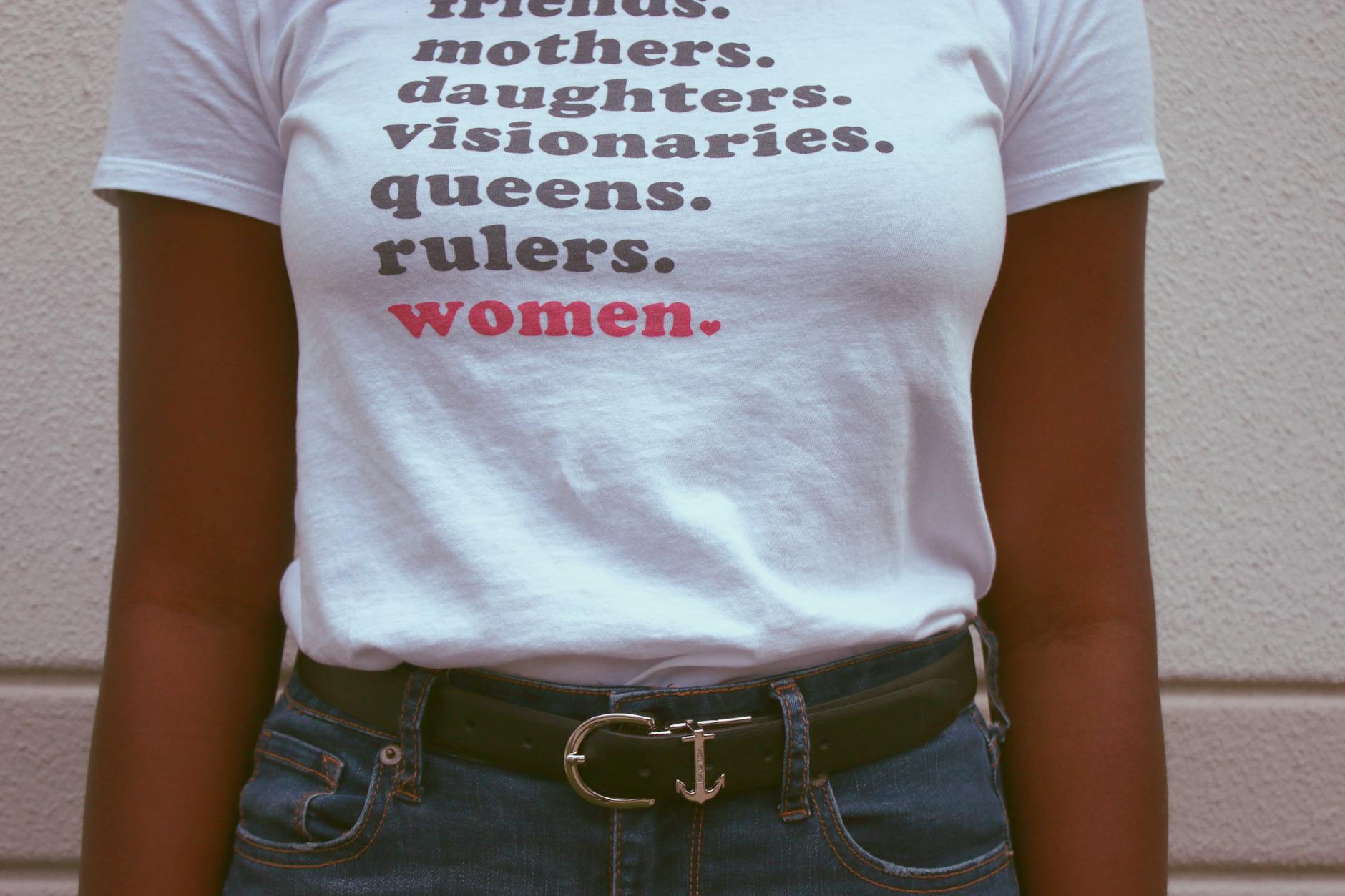
Choosing the right approach to printing on tee shirts can feel overwhelming, especially when you’re balancing budget constraints, artwork requirements, and tight event deadlines. Whether you’re a Sydney-based events company ordering branded staff uniforms, a Melbourne charity preparing for a fundraising fun run, or a Brisbane school gearing up for sports day, the decoration method you choose will have a significant impact on the final product’s quality, longevity, and overall value. The good news? Once you understand the key options available in Australia — and what each one is best suited for — the decision becomes much more straightforward. This guide covers everything you need to know.
Understanding the Different Methods for Printing on Tee Shirts
Not all printing methods are created equal. Each technique has its own strengths, limitations, ideal use cases, and cost structures. Getting familiar with the basics will help you brief your supplier accurately and avoid costly surprises down the track.
Screen Printing
Screen printing is the most popular method for bulk t-shirt orders across Australia, and for good reason. The process involves pushing ink through a mesh screen onto the fabric, creating vibrant, durable results that can withstand hundreds of washes without fading.
This method is ideal when you have:
- A bold, simple design with limited colours (typically 1–6 spot colours)
- A large order quantity (most suppliers set a minimum order quantity of 24–50 units)
- A budget that benefits from economies of scale — per-unit costs drop significantly at higher quantities
Setup fees apply for each colour in your design, which means screen printing becomes cost-effective at larger volumes. A single-colour chest print for a corporate event in Adelaide, for example, might cost as little as $8–$12 per shirt when ordered in quantities of 100 or more. Adding colours increases setup costs, so keep this in mind during the design phase.
Screen printing works best on 100% cotton or cotton-rich blends. It’s less suitable for highly detailed photographic artwork or gradients with smooth colour transitions.
Direct-to-Garment (DTG) Printing
DTG printing works similarly to a standard inkjet printer, but instead of paper, the substrate is your t-shirt. The process deposits ink directly into the fabric fibres, making it capable of reproducing full-colour artwork, detailed illustrations, and photographic images with remarkable accuracy.
Where DTG shines:
- Small runs (even single units) with no setup fees
- Full-colour, complex artwork
- Personalised or individualised prints (for example, numbered team shirts)
The trade-off is cost per unit remains relatively flat regardless of volume, so DTG doesn’t offer the same bulk pricing advantages as screen printing. It also performs best on 100% cotton fabrics and light-coloured garments, though specialist pre-treatments can allow printing on darker shirts.
Heat Transfer and Vinyl Cutting
Heat transfer involves printing your design onto a transfer paper or film, which is then applied to the garment using a heat press. Our quality guide to vinyl cutting for promotional products explains the nuances of this technique in detail, but in short, it’s a versatile option suited to smaller quantities and designs with clean, defined edges.
Vinyl cutting — where individual letters or shapes are cut from coloured vinyl and heat-pressed onto fabric — is particularly popular for sporting club jerseys, personalised team apparel, and school uniform customisation across Queensland and Western Australia. It handles individual names and numbers on the back of shirts exceptionally well.
Sublimation Printing
Sublimation is a game-changer for all-over print designs. The process converts dye into gas, which bonds permanently with the polyester fibres of the garment. The result? Vibrant, full-coverage prints that won’t crack, peel, or fade. Our detailed breakdown of sublimation printed shirts covers this method comprehensively, but the key things to know are:
- Sublimation only works on 100% polyester (or high-polyester blend) fabrics
- It’s ideal for performance activewear, sports uniforms, and fashion-forward event merch
- The entire garment can be printed from seam to seam, allowing for unlimited creative designs
- It works best on white or very light-coloured base fabrics
For a Gold Coast fitness studio ordering custom workout shirts with edge-to-edge branding, sublimation would be the obvious choice.
Embroidery (An Honourable Mention)
While technically not a print method, embroidery deserves a mention as a popular alternative for t-shirt decoration — particularly polo shirts and heavier cotton tees. It delivers a premium, tactile finish that’s especially well-suited to corporate environments. If you’re interested in how screen printing and embroidery compare side-by-side, exploring our guide to promotional products provides a broader context for understanding decoration options across the merchandise category.
How to Choose the Right Method for Your Order
With the methods covered, let’s look at the practical factors that should drive your decision.
Artwork Complexity
Simple, bold logos with flat colours? Screen printing or heat transfer will serve you well. Detailed photographic designs or multi-gradient artwork? DTG or sublimation are your best bets. Getting your promotional products logo artwork prepared correctly — ideally as a vector file — will give you the most flexibility across decoration methods.
Order Quantity and Budget
For large bulk orders (50+ units), screen printing generally delivers the best cost-per-unit value. For smaller runs or one-off pieces, DTG or heat transfer avoids the fixed setup costs that make screen printing expensive at low volumes.
If you’re unsure whether a particular supplier or product is right for your order before committing, the promotional product sample ordering process explained is a great reference for navigating pre-production samples in Australia.
Fabric Type
As mentioned, sublimation requires polyester, while screen printing and DTG work best on cotton. Heat transfer and vinyl are the most fabric-agnostic options. Always confirm the garment’s fabric composition before finalising your decoration method — this is a detail that’s easy to overlook and can affect the final result significantly.
Turnaround Time
Standard production turnaround in Australia typically runs 10–15 business days from artwork approval, though express options are available from many suppliers for urgent orders. If you’re coordinating a conference in Canberra with a fixed date, build in buffer time for the proof approval process and any potential revisions. Delays in artwork sign-off are one of the most common causes of late deliveries in the custom apparel industry.
Tips for Getting the Best Results When Printing on Tee Shirts
Getting great results from a custom t-shirt order isn’t just about choosing the right decoration method. Here are some practical tips to ensure everything runs smoothly.
Choose the right shirt blank. The quality of the base garment matters enormously. A well-constructed tee from a reputable blank (180–220 gsm cotton is a popular choice for everyday wear) will look and feel significantly better than a budget alternative. For premium corporate gifting, you might also explore our roundup of top-rated corporate gifts in Australia for broader context on how t-shirts fit into a corporate merchandise strategy.
Prepare your artwork correctly. Supply vector files (AI, EPS, or PDF) wherever possible for screen printing, and high-resolution raster files (at least 300 DPI) for DTG. Fuzzy or low-resolution logos will produce poor print results regardless of the method used. For ideas on how organisations are currently using promotional merchandise, our look at promotional products and consumer behaviour provides some useful industry context.
Consider PMS colour matching. If your brand has specific Pantone colours, request PMS colour matching from your supplier to ensure printed tees align with your broader brand identity. This is particularly important for corporate clients in Melbourne and Sydney where brand consistency is closely managed.
Don’t overlook placement options. The left chest is the most common print location, but front centre, back yoke, sleeve prints, and even inside-neck labels are all worth considering depending on your design brief.
Think about the full merchandise mix. Custom tees rarely fly solo. Many organisations order them alongside branded tote bags in bulk, water bottles, or custom caps as part of a coordinated event or staff onboarding pack. Check out our guide to summer branded gifts for clients for inspiration on building a complete branded product set.
Common Mistakes to Avoid
Even experienced merchandise buyers can fall into these traps:
- Underestimating setup fees for multi-colour screen prints on small order quantities — always request a full itemised quote
- Not ordering a pre-production sample before committing to a large run, especially for new designs or first-time supplier relationships
- Forgetting about sizing distribution — consider your audience carefully and order a realistic spread across XS–3XL to avoid being left with unwearable surplus stock
- Choosing the cheapest garment blank without considering how it will wear and wash after repeated use
- Missing artwork submission deadlines — late artwork is the most common cause of delayed orders
For organisations exploring broader merchandise categories, it’s also worth having a look at what’s trending in unique corporate gifting ideas to see how apparel fits alongside newer product types.
Conclusion
Printing on tee shirts is one of the most effective and enduring ways to promote a brand, build team identity, and create memorable merchandise in Australia. The key is matching the right decoration method to your specific artwork, fabric, quantity, and budget requirements — and working with a knowledgeable supplier who can guide you through the process.
Here are the key takeaways to remember:
- Screen printing offers the best value for large orders with simple, bold artwork
- DTG printing is ideal for small runs, full-colour designs, and personalised garments
- Sublimation delivers stunning all-over prints but requires polyester fabrics
- Heat transfer and vinyl cutting are versatile options for smaller quantities and name/number personalisation
- Preparation is everything — correct artwork files, realistic timelines, and pre-production samples will set your order up for success
Whether you’re planning your first custom tee order or looking to streamline an annual merch programme, understanding these fundamentals will help you make confident, cost-effective decisions every time.