
Iron On Embroidery Patches Explained: A Complete Guide for Australian Organisations
Discover how iron on embroidery patches work, when to use them, and how to order custom patches for your Australian business or organisation.

Written by
Sienna Chandra
Branding & Customisation
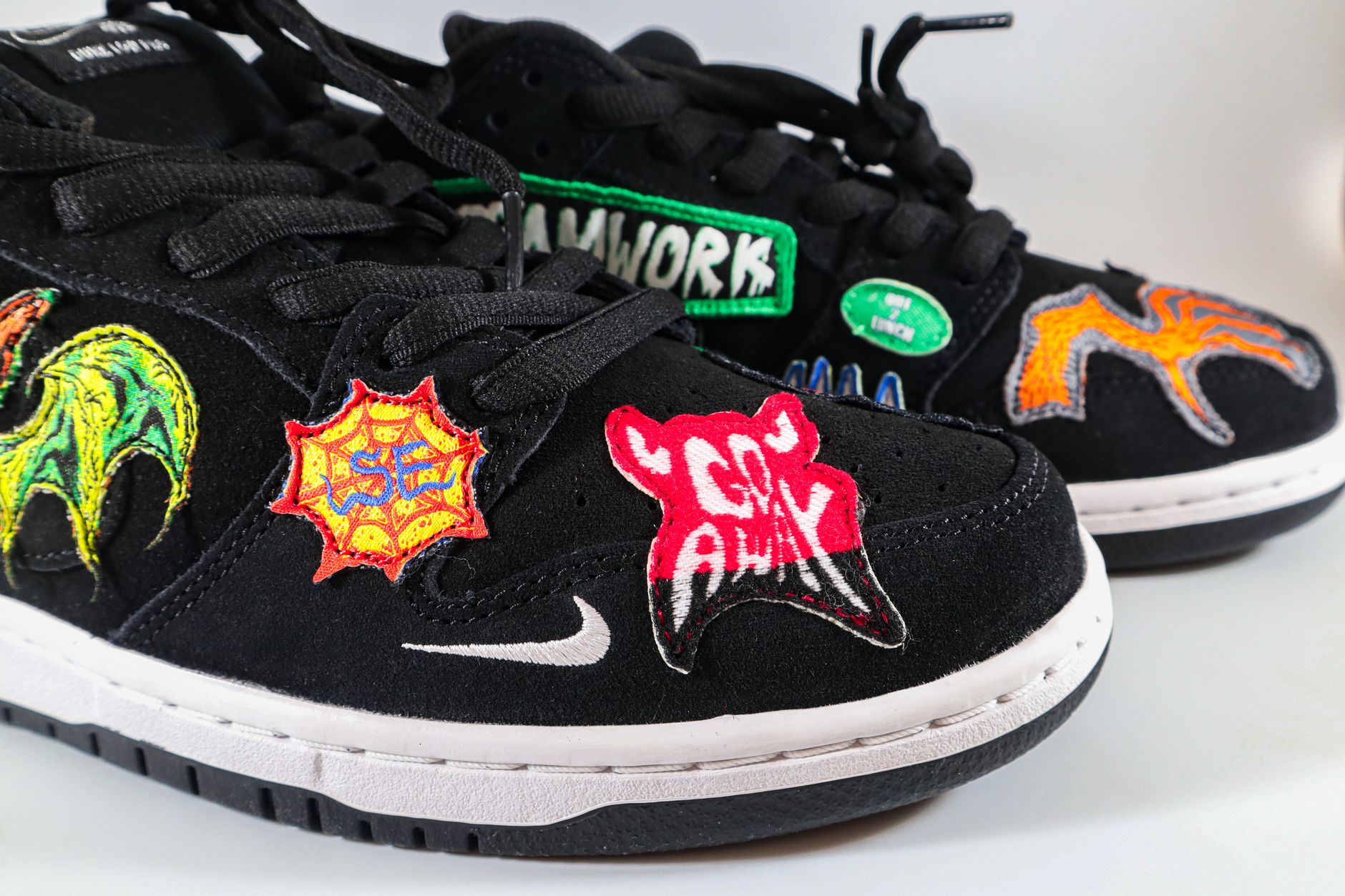
Iron on embroidery patches have quietly become one of the most versatile and cost-effective branding tools available to Australian organisations. Whether you’re outfitting a sports club in Adelaide, adding flair to a school uniform in Brisbane, or creating cohesive team apparel for a Sydney corporate event, custom embroidery patches offer a professional finish without the commitment of permanent decoration. They’re portable, reusable across different garments, and surprisingly affordable at volume — making them a smart choice for a wide range of applications. This guide covers everything you need to know before placing your first order.
What Are Iron On Embroidery Patches?
At their core, embroidery patches iron on are pre-made embroidered designs that feature a heat-activated adhesive backing. Rather than stitching directly onto a garment, the patch is created separately on a woven or felt base, then bonded to fabric using a domestic iron or commercial heat press.
The embroidery itself is produced on an industrial embroidery machine, building up the design thread by thread using a digitised file. Once the embroidery is complete, a thermoplastic adhesive film is applied to the back. When heat is applied — typically between 130°C and 160°C — this adhesive melts and bonds with the fabric fibres, creating a secure hold.
The Difference Between Iron On, Sew On, and Velcro-Backed Patches
It’s worth understanding the variations before you order, as each serves a different purpose:
- Iron on patches use heat-activated adhesive — ideal for cotton, denim, polyester blends, and canvas. Quick to apply, no sewing required.
- Sew on patches have no adhesive backing and are intended to be stitched around the perimeter. These are more permanent and suited to heavy-use workwear or high-wash frequency garments.
- Velcro-backed patches use hook-and-loop fastening, commonly used in tactical gear, military applications, and situations where patches need to be swapped frequently.
For most Australian organisations exploring branded merchandise, iron on patches offer the best balance of convenience and visual impact. If longevity through repeated washing is a priority, many suppliers recommend sewing around the edges after ironing to reinforce the bond — and this is a best practice worth sharing with anyone receiving your branded patches.
Why Australian Organisations Are Choosing Custom Embroidery Patches
The rise of embroidery patches iron on as a branding tool isn’t accidental. There are several practical reasons why clubs, schools, businesses, and event organisers across Australia are gravitating toward them.
Flexibility Across Garment Types
One of the most compelling advantages is that patches can be applied to virtually any fabric item — jackets, polo shirts, bags, caps, aprons, and more. A Perth sporting club, for example, might order a single batch of logo patches and apply them to their jersey, their training hoodies, and their supporters’ caps. That’s a single decoration job producing consistent branding across three different product types.
This flexibility is particularly valuable for organisations that regularly update their uniform range or work with multiple garment suppliers. Rather than re-digitising artwork for each new embroidery job, patches provide a ready-to-apply solution that travels with the organisation.
Budget-Friendly at Volume
Custom embroidery on individual garments involves setup fees and per-piece costs that add up quickly at low quantities. Patches, by contrast, are typically ordered in bulk and the per-unit cost drops significantly with volume. A Melbourne sporting association might order 500 patches at a unit cost that’s a fraction of what direct embroidery would cost per garment — and those patches can be distributed to members who apply them to their own existing gear.
For charities and not-for-profit organisations working with tight budgets, this model is particularly attractive. Read our guide to budget-friendly branded merchandise for non-profits to explore more cost-conscious options.
A Premium Aesthetic
Embroidery has always conveyed quality. The texture, depth, and durability of an embroidered logo simply looks more premium than a printed alternative — and this perception carries through to patches. For organisations wanting to elevate their brand presentation, custom patches strike that balance between craftsmanship and accessibility. Schools in particular have embraced this: a Hobart secondary school, for instance, might use embroidered house colour patches on sports uniforms to add a sense of prestige and tradition.
How to Design Custom Embroidery Patches Iron On
Getting the design right is critical. Embroidery has specific limitations compared to digital printing, and understanding these early will save you revisions and delays.
Keep It Bold and Simple
Fine lines, small text, and complex gradients don’t translate well to embroidery. The minimum recommended thread size means very fine details can become lost or muddled. Aim for bold outlines, solid colour fills, and text no smaller than 6–8mm in height. If your logo includes intricate detail, your supplier’s digitising team may suggest simplifications — and it’s worth listening to that advice.
For more detailed guidance, our explanation of embroidery digitising and artwork requirements walks through exactly what files and specifications you’ll need.
Choosing the Right Patch Shape and Border
Standard patch shapes include circular, rectangular, shield, and die-cut (cut to the exact shape of the design). A merrowed border — the looped thread edging you’ll recognise from classic sporting patches — is the most common finish and adds a polished, traditional look. Hot-cut or laser-cut edges offer a cleaner, more contemporary silhouette if you’re going for a modern aesthetic.
Selecting Thread and Background Colours
Most embroidery patch suppliers work with Pantone or PMS colour matching to ensure your brand colours are represented accurately. Up to 15 thread colours are typically available on a single patch, though most designs use 3–7 for cost efficiency. Always provide your brand’s PMS codes when submitting artwork. If you’re unsure how colour matching works in embroidery, our overview of PMS colour matching for branded merchandise covers the essentials.
Ordering Custom Patches: What to Expect
Minimum Order Quantities
Most Australian suppliers set MOQs for custom embroidery patches iron on at around 50–100 pieces. Some specialist patch makers allow lower quantities but at a higher per-unit cost. If you’re trialling patches for a small team or running a limited-edition event, factor this into your planning — it’s often more economical to order a slightly larger run than you immediately need and store the remainder.
Turnaround Times
Standard production for custom patches typically runs 2–4 weeks after proof approval, with additional time for international shipping if the patches are produced offshore. Locally produced patches may turn around faster. For events with firm deadlines — a Gold Coast conference, a Darwin NAIDOC fundraiser event, or an end-of-season awards night — always add buffer time and confirm your supplier’s lead time in writing before committing.
If you’re working toward a specific deadline, our guide to planning branded merchandise for corporate events is a useful resource for building your timeline.
Setup Fees and Pricing
Expect a one-off digitising or setup fee for your artwork, which typically ranges from $30 to $80 depending on design complexity. Once paid, this file is yours to use for repeat orders. Per-patch pricing at 100 units might sit in the $2–$5 range depending on size and stitch count, dropping notably as quantities increase. Always request a detailed quote that breaks out setup versus unit costs.
Practical Applications Across Australian Sectors
Sporting Clubs
Embroidery patches iron on are a staple in the sporting world. From junior football clubs in Melbourne’s western suburbs to netball associations across regional Queensland, patches allow clubs to brand any garment without being locked into a single uniform supplier. Members can also purchase patches separately and apply them to their own training gear — a great way to extend club branding on a minimal budget.
For more on apparel branding for sports groups, see our complete guide to custom apparel for sporting clubs.
Schools and Education
Schools use patches for house colours, leadership badges, sport representation, and year-level identification. The iron on format is parent-friendly and means patches can be transferred between garments as students grow. Our overview of branded merchandise for Australian schools has more tailored advice for education sector orders.
Corporate and Events
Businesses increasingly use patches as a creative branding touchpoint — think custom jacket patches for conference staff in Canberra, or branded cap patches for a Brisbane product launch team. They also make interesting corporate gift inclusions: a patch tucked inside a welcome pack adds a tactile, keepsake quality that digital swag simply can’t replicate. Explore our ideas for creative corporate event merchandise if you’re building a full event merchandise strategy.
Hospitality and Retail
Cafés, breweries, and retail boutiques use patches to brand staff uniforms affordably and stylishly. A craft brewery in Melbourne’s inner north might distribute embroidered patches to loyal customers as a collectible brand item — a low-cost, high-impression marketing strategy.
Caring for Iron On Patches: Advice to Share With Your Audience
Part of delivering a good experience with branded patches is educating recipients on proper care. Iron on adhesive can weaken over repeated high-temperature washing cycles. Recommend that recipients:
- Wash garments inside out on a cool or warm cycle (not hot)
- Avoid tumble drying on high heat
- Re-iron or sew around the edges if the patch begins to lift at the corners
This simple guidance extends the life of the patch significantly and protects your brand presentation in the field.
Conclusion: Key Takeaways for Ordering Embroidery Patches Iron On
Custom embroidery patches iron on are a practical, flexible, and visually impressive branding solution for Australian organisations of all types and sizes. Whether you’re a sporting club, school, business, or event organiser, they offer genuine versatility that few other decoration methods can match.
Here are the key points to carry away:
- Design simply and boldly — embroidery works best with clean lines, solid fills, and legible text; fine details and gradients don’t transfer well
- Order at volume — MOQs typically start at 50–100 pieces, and per-unit costs drop significantly as quantities increase
- Plan your timeline carefully — standard production is 2–4 weeks after proof approval, so build buffer time for events and deadlines
- Reinforce the bond — advise recipients to sew around patch edges for garments that will be washed frequently
- Use PMS codes — always provide your brand’s Pantone references to ensure colour accuracy across every batch
With the right supplier and a well-prepared brief, embroidery patches iron on can become a cornerstone of your organisation’s branded merchandise toolkit — versatile, durable, and unmistakably professional.