
How to Choose and Order Custom Promotional Products for Your Organisation
Discover how to choose, budget, and order custom promotional products that deliver real results for your Australian business or event.

Written by
Connor Dupont
Corporate Gifts
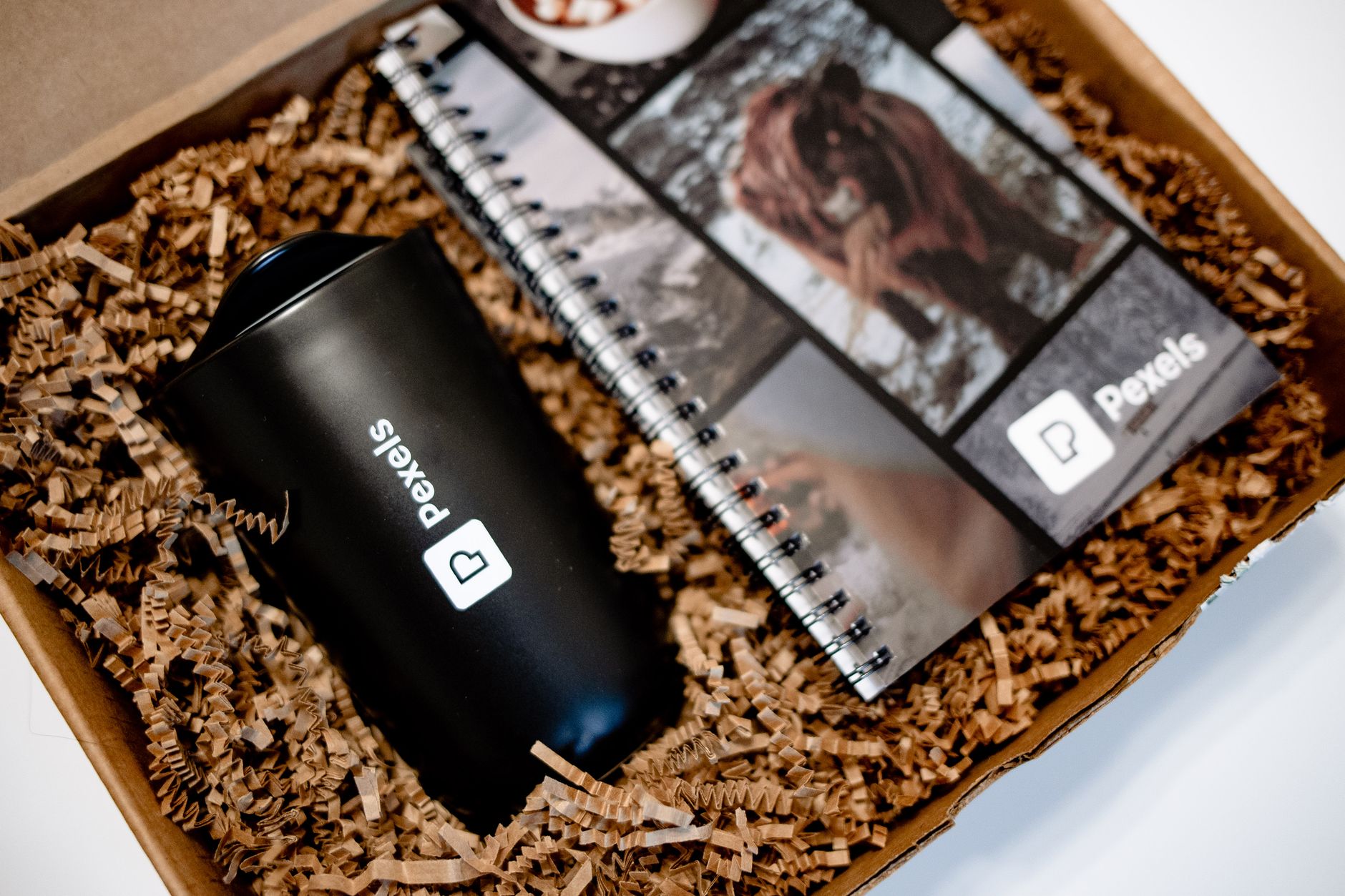
Getting your brand in front of the right people — and keeping it there — is one of the most practical challenges any Australian business or organisation faces. Custom promotional products offer a tangible, cost-effective solution that digital advertising simply cannot replicate. Whether you’re a Sydney-based corporate team heading into conference season, a Brisbane sporting club gearing up for the new year, or a Melbourne charity organising a fundraising event, branded merchandise puts your name in people’s hands, literally. But with hundreds of product categories, decoration methods, and suppliers to navigate, knowing where to start can feel overwhelming. This guide breaks down everything you need to know to plan, order, and maximise the impact of your next promotional products campaign.
What Are Custom Promotional Products and Why Do They Work?
Custom promotional products are physical items branded with your logo, message, or artwork, designed to be distributed to clients, staff, event attendees, or the general public. From embroidered caps and printed tote bags to engraved pens and sublimated drinkware, the range is enormous.
The reason they work comes down to a simple psychological principle: people value tangible gifts. Research consistently shows that recipients of branded merchandise remember the brand longer than those who see a digital ad. A useful product — a quality keep cup, a sturdy notebook, a comfortable polo — creates ongoing brand exposure every time it’s used. For Australian organisations with tight marketing budgets, that kind of cost-per-impression is hard to beat.
Promotional products also work across virtually every sector. A Perth real estate agency handing out branded USB drives at an open home, a Canberra government department distributing eco-friendly bags at a public forum, or a Gold Coast event company including custom merchandise in a delegate bag — all of these are legitimate, high-impact uses of branded items.
The Difference Between Promotional Products and Corporate Gifts
While the terms are often used interchangeably, there’s a subtle distinction worth understanding. Promotional products are typically lower-cost items produced in bulk — pens, lanyards, tote bags — intended to be distributed broadly. Corporate gifts tend to be higher-quality, individually presented items given to specific clients, VIPs, or staff as a gesture of appreciation.
That said, a well-chosen promotional product can absolutely serve as a corporate gift, especially when the quality and presentation are elevated. Understanding which purpose you’re buying for will shape your product selection, budget, and decoration choices significantly.
Planning Your Custom Promotional Products Campaign
Before you place a single order, it pays to spend time planning. Skipping this step is the most common reason organisations end up with warehouses full of items nobody wants.
Define Your Objective
Start by asking: what do you want this merchandise to achieve? Common goals include:
- Brand awareness — maximising logo visibility at an event or in the community
- Staff recognition — rewarding team members with quality, useful items
- Client retention — gifting loyal customers something memorable
- Event activation — creating a cohesive, professional look for a trade show or conference
- Fundraising — selling branded merchandise to raise funds for a cause
Your objective will guide every subsequent decision, from product type to decoration method to budget allocation.
Know Your Audience
The product that resonates with a 22-year-old university student in Adelaide will not necessarily impress a 50-year-old senior executive in Sydney. Think carefully about your recipient demographic. Are they health-conscious? Outdoorsy? Tech-savvy? Do they commute by train in Melbourne’s CBD or drive to a warehouse in Western Sydney?
For insights on matching products to specific audiences, our guide to choosing the right branded merchandise for your target audience walks through this process in detail.
Set a Realistic Budget
Budget is where many organisations get unstuck. It’s tempting to gravitate toward low-cost items to stretch dollars further, but a flimsy product can actually damage your brand perception. A better approach is to identify a mid-range product that balances quality and cost.
As a rough guide:
- Mass distribution items (pens, lanyards, stickers): $1–$5 per unit
- Mid-tier promotional products (tote bags, mugs, notebooks): $5–$20 per unit
- Premium promotional gifts (insulated bottles, backpacks, quality apparel): $20–$80+ per unit
Don’t forget to factor in setup fees (typically $30–$80 per colour or position), freight, and GST. Our complete guide to promotional products pricing in Australia covers these costs in depth.
Choosing the Right Products for Your Campaign
With your objective and audience in mind, you can begin narrowing down product categories. Here are some of the most effective options for Australian organisations in 2026.
Apparel and Wearables
Custom apparel remains one of the most powerful promotional categories because clothing is worn publicly, extending your brand reach far beyond the initial recipient. Screen-printed t-shirts are ideal for high-volume events like fun runs, school sports days, and community festivals. Embroidered polos and caps project a more professional image suited to corporate environments and trade shows.
For teams working in construction, mining, or logistics, branded hi-vis workwear ensures safety compliance while keeping your organisation visible on site. Our overview of custom hi-vis workwear and safety apparel is a useful resource for industries with strict PPE requirements.
Drinkware
Branded drinkware — keep cups, insulated water bottles, travel mugs — enjoys high daily-use rates, making it one of the best performers for ongoing brand visibility. An Adelaide marketing agency gifting premium insulated bottles to top clients will find them on desks and in gyms for years. If sustainability is a priority, look for BPA-free, stainless steel, or recycled material options.
For decoration, laser engraving delivers a premium, permanent finish on metal drinkware that elevates the perceived value significantly. Learn more in our guide to laser engraving on branded drinkware.
Bags and Totes
Reusable tote bags are perennial favourites for conferences, expos, and community events. They’re practical, eco-friendly, and provide a large print area for bold branding. A Darwin government department distributing cotton canvas tote bags at a public health event sends a strong sustainability message alongside the brand.
For corporate gifting, branded backpacks and cooler bags offer a premium option that recipients genuinely value. Minimum order quantities for bags typically start around 50–100 units depending on the style and supplier.
Tech Accessories
Custom power banks, USB drives, wireless chargers, and branded cable organisers appeal strongly to corporate and university audiences. These items carry higher price points but command real attention as conference giveaways or client gifts. If you’re sourcing tech products, pay close attention to quality and warranty — a faulty power bank reflects poorly on your brand. Our buying guide for custom tech promotional products covers what to look for when ordering electronics.
Stationery and Notebooks
Never underestimate a quality branded notebook. For corporate conferences, professional development events, and B2B gifting, premium notebooks with debossed or foil-stamped covers create a lasting impression. Pair them with a quality pen for a cohesive gift set that attendees will actually use.
Eco-Friendly Products
Sustainability is no longer a niche concern — it’s a mainstream expectation. Bamboo products, recycled PET bags, seed paper, and reusable straws are all growing in popularity across Australia. Our guide to eco-friendly promotional products explores the full range of sustainable options available for Australian organisations.
Understanding Decoration Methods
The right decoration method can make or break how your branded product looks. Here’s a quick overview:
- Screen printing — best for bold, flat designs on fabric; cost-effective at volume
- Embroidery — professional, durable finish on caps, polos, and bags
- Sublimation — full-colour, all-over print; ideal for polyester apparel and drinkware
- Pad printing — common on pens, USB drives, and small hard goods
- Laser engraving — permanent, premium finish on metal and wood items
- Digital printing — versatile, suitable for short runs and photographic artwork
For a thorough comparison, our screen printing vs embroidery guide helps you determine which method suits your project best.
Practical Tips for Ordering Custom Promotional Products
Getting the ordering process right saves time, money, and stress. Keep these tips in mind:
Allow adequate lead time. Most quality suppliers require 10–15 business days for production after artwork approval. Rush orders are possible but attract premium charges. For major events like EOFY functions or Christmas, place orders 6–8 weeks in advance.
Order a sample. For large orders, always request a pre-production sample or physical proof before committing to full production. A small sample cost upfront can save thousands if there’s a quality issue.
Get your artwork right. Supply vector files (AI, EPS, or PDF) wherever possible. Low-resolution JPEGs cause delays and quality issues. Our artwork preparation guide for promotional products explains file requirements in plain language.
Understand MOQs. Minimum order quantities vary widely — from 10 units for some premium items to 250+ for certain screen-printed products. If you have a small budget, focus on products with lower MOQs or consider a multi-use item that serves multiple purposes.
Check turnaround times carefully. If you’re ordering for a specific event date in Hobart or Townsville, confirm the production and freight timeline with your supplier before placing the order.
For a fuller overview of what to expect when working with suppliers, our step-by-step guide to placing a branded merchandise order is worth bookmarking.
Making the Most of Your Promotional Products Investment
Once your products arrive, think strategically about distribution. A thoughtfully packaged gift lands very differently from a product tossed in a generic box. Consider branded tissue paper, custom packaging sleeves, or a handwritten note for higher-value corporate gifts. For event merchandise, plan your distribution point so that recipients receive items at a moment of positive engagement — not as an afterthought at the exit.
Track the impact where you can. Include a QR code on packaging that directs recipients to a landing page, or ask new clients how they first heard about you. Over time, this data helps you refine your product selection and improve ROI on future campaigns.
Key Takeaways
Choosing and ordering custom promotional products doesn’t need to be complicated, but it does benefit from careful planning and expert guidance. Here’s a summary of what to keep in mind:
- Define your objective first — brand awareness, staff recognition, event activation, or client gifting all require different approaches and product choices
- Match the product to your audience — relevance and usefulness drive engagement; a high-quality item that gets used daily delivers far better ROI than a cheap giveaway that ends up in landfill
- Budget holistically — account for unit costs, setup fees, freight, and packaging to avoid unpleasant surprises at checkout
- Choose the right decoration method — embroidery, screen printing, laser engraving, and sublimation each suit different products and artwork styles
- Plan your timeline early — rushing an order increases cost and reduces quality; for major events, start the process at least 6–8 weeks ahead
- Think about distribution — how and when you hand over custom promotional products is just as important as what you’re handing over
With the right approach, custom promotional products become one of the most cost-effective tools in your marketing and brand-building arsenal — delivering genuine, measurable value for Australian organisations of every size.