
How to Custom a Backpack: The Complete Guide for Australian Organisations
Learn how to custom a backpack for your brand, event, or organisation. Discover decoration methods, MOQs, budgeting tips, and more.

Written by
Dylan Santos
Bags & Totes
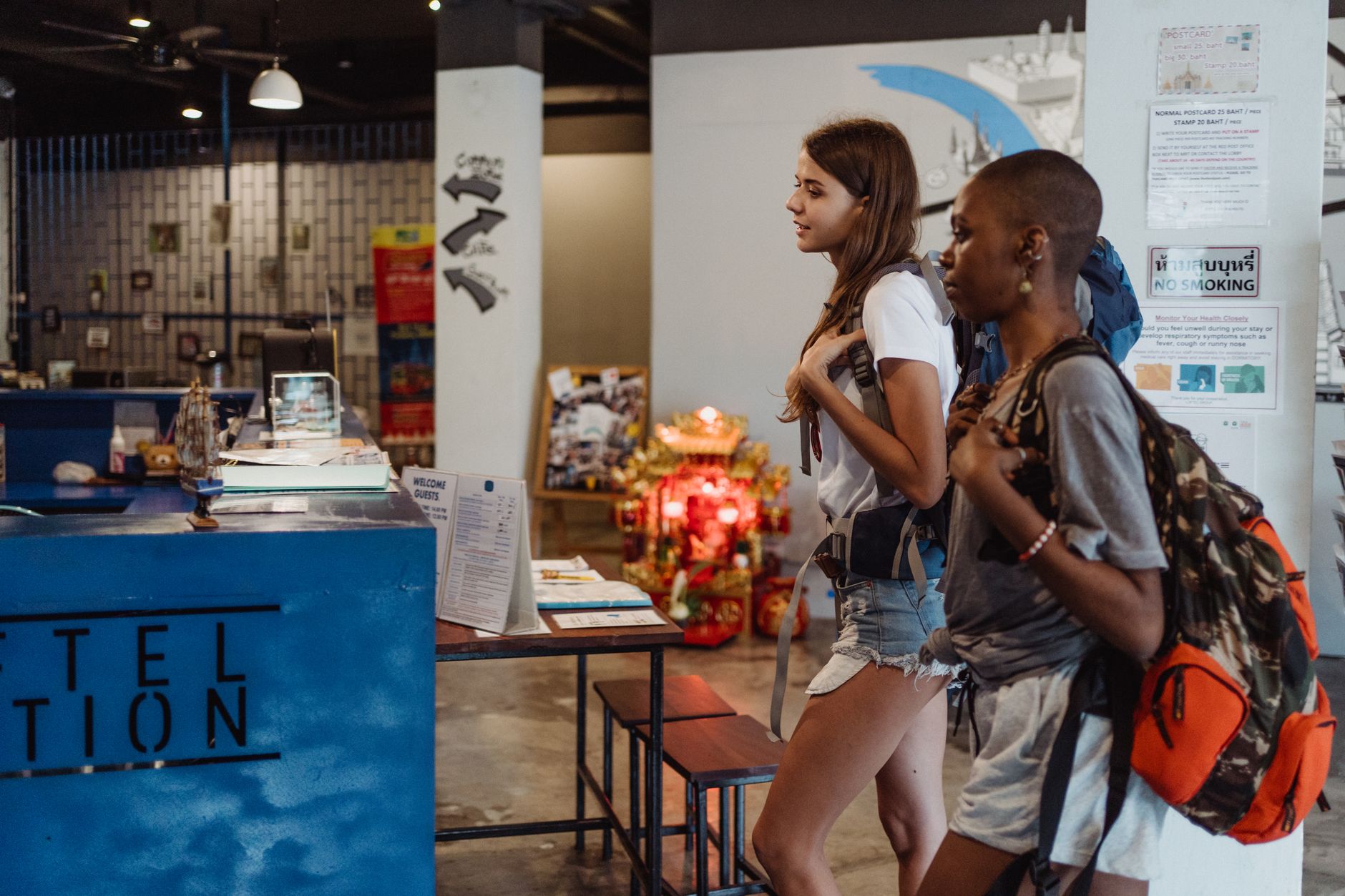
Choosing the right promotional product can feel overwhelming — there are thousands of options, and the stakes are high when you’re spending budget on items that represent your brand. But few products deliver the lasting visibility and everyday utility of a custom backpack. Whether you’re outfitting staff for a corporate conference in Melbourne, sourcing branded bags for a university orientation week in Brisbane, or creating merchandise for a sporting association on the Gold Coast, a well-designed custom backpack puts your logo in front of hundreds of people every single day. This guide covers everything you need to know to successfully custom a backpack for your Australian organisation — from choosing the right style and decoration method to managing timelines and budgets with confidence.
Why Custom a Backpack? The Case for Branded Bags
Before diving into the details, it’s worth understanding why backpacks consistently rank among the highest-performing promotional products on the market. Unlike a branded pen that gets lost in a drawer or a flyer that ends up in the recycling bin, a backpack is used repeatedly — at the gym, on public transport, at school, and around the office.
Think about the visibility this generates. A staff member commuting through Sydney’s CBD with a branded backpack is essentially a walking billboard. Research consistently shows that promotional bags generate more impressions per item than almost any other product category. When you explore promotional material options for Australian organisations, bags almost always feature prominently for this reason.
Custom backpacks also carry a perceived value that resonates with recipients. Giving someone a quality branded backpack signals that your organisation values them — which is important for staff retention, client relationships, event attendees, and student engagement alike.
Understanding Your Options: Backpack Styles and Their Best Uses
Not all backpacks are created equal. The style you choose should reflect the context in which it will be used, your target audience, and your overall brand positioning.
Classic Drawstring Bags
Drawstring bags are the entry-level option — lightweight, affordable, and easy to produce in large quantities. They’re a popular choice for school sports days, charity fun runs, trade show giveaways, and community events. Minimum order quantities (MOQs) for drawstring bags can start as low as 50 units, and they’re typically well-suited to screen printing, which keeps decoration costs down. A Gold Coast surf school handing these out at a junior competition event would find them practical and well-received.
Standard Zippered Backpacks
The workhorse of the backpack world, a standard zippered backpack with a front pocket, padded straps, and a main compartment suits almost any audience. These are ideal for schools, universities, government departments, and corporate events. They offer more surface area for branding and are practical enough that recipients will use them long after the event. If you’re looking at bulk promotional bags for events or corporate programs, this style gives you the best balance of cost, practicality, and branding impact.
Tech and Laptop Backpacks
For corporate audiences — think IT firms, financial services companies, or government departments — a padded laptop backpack elevates the branded gift entirely. These bags often include USB charging ports, dedicated laptop sleeves, and multiple organiser pockets. They come at a higher price point (typically $25–$80+ per unit depending on quality), but the perceived value is significant. A Perth consulting firm gifting these to new employees or long-term clients is making a strong impression.
Cooler and Hydration Backpacks
Cooler backpacks and hydration packs are fantastic for outdoor events, sporting associations, and recreation-focused organisations. A Brisbane outdoor education school or a cycling club in Adelaide would find a branded hydration backpack genuinely useful and appreciated. These can also complement a broader branded water bottle promotional strategy for sports-focused campaigns.
Eco-Friendly Backpacks
Sustainability is increasingly important for Australian organisations, especially councils, universities, and not-for-profits. Recycled PET (rPET) backpacks — made from reclaimed plastic bottles — are a credible, on-trend option that aligns with environmental values. A Melbourne city council running a waste reduction awareness campaign could meaningfully reinforce its messaging with a recycled backpack as a giveaway item.
Decoration Methods: How to Brand Your Custom Backpack
The way your logo is applied to a backpack significantly affects the final result. Here’s a breakdown of the most common decoration methods and when to use each.
Screen Printing
Screen printing is cost-effective for simple, bold logos and works well on flat fabric panels. It’s best suited to drawstring bags and simpler backpack styles. Setup fees apply per colour, so designs with fewer colours are more economical. For large orders — say, 200+ units for a school event — screen printing offers excellent value.
Embroidery
Embroidery gives a premium, three-dimensional finish that’s particularly effective on structured backpacks and laptop bags. It’s a popular choice for corporate gifts and staff merchandise because it conveys quality. Embroidery is priced per stitch count, so intricate logos can increase costs, but for a clean company crest or wordmark, it’s hard to beat. You can learn more about embroidery patches and applications to understand how this technique works across different materials.
Heat Transfer and Sublimation
Heat transfer and sublimation printing can reproduce full-colour, photographic-quality designs and are ideal when you need a complex design with multiple colours or gradients. Sublimation works especially well on polyester fabrics, so if your backpack is made from a suitable material, this method opens up much greater design flexibility. These methods suit event merchandise where visual impact is a priority.
Debossing and Laser Engraving
Less common on fabric bags, but relevant for backpacks with leather or faux-leather accents. Laser engraving or debossing a logo into a leather badge or strap buckle creates an upmarket, understated result — perfect for premium corporate gifting.
Budgeting to Custom a Backpack: What to Expect
Budgeting is one of the most common points of confusion for organisations ordering branded backpacks for the first time. Here’s a realistic framework:
- Drawstring bags: $3–$10 per unit (printed, 100+ units)
- Standard zippered backpacks: $10–$25 per unit (printed or embroidered, 50+ units)
- Laptop/tech backpacks: $25–$80 per unit depending on features and quality
- Eco/rPET backpacks: $15–$35 per unit
- Setup fees: Typically $50–$120 per colour per screen for screen printing, or a one-time digitising fee for embroidery
Be sure to factor in GST, freight (which can add meaningfully to per-unit costs on heavy bags), and any sample costs you incur before the production run. Most reputable suppliers offer virtual proofs before printing — always review these carefully before approving.
For guidance on building out a broader merchandise budget across multiple product types, our overview of promotional products across Australia is a useful reference point.
Turnaround Times: Planning Your Backpack Order
Turnaround time is another area where organisations often get caught out. Custom backpacks — particularly those sourced from offshore manufacturing — can take anywhere from two to six weeks from artwork approval to delivery. Domestic stock-and-print options can be faster (sometimes seven to fourteen business days), but premium or fully custom styles require more lead time.
If you’re ordering backpacks for a specific event — a Darwin school’s end-of-year ceremony, a Canberra government department’s team-building day, or a Hobart business conference — build in extra buffer time. Always aim to have your order placed at least four to six weeks before your in-hands date.
Rush orders are sometimes possible but typically attract additional fees and may limit your choice of decoration methods or bag styles.
Artwork and Branding Tips for Custom Backpacks
Getting your artwork right before you submit an order saves time, money, and frustration. Here are the most important points:
- Supply vector files (AI, EPS, or high-resolution PDF) wherever possible. These scale without losing quality.
- Check your PMS colour matching — if your brand has specific Pantone colours, make sure your supplier can match them or provide a close equivalent.
- Consider placement carefully — the front pocket is the most visible panel, but side panels and shoulder straps can also carry logos effectively.
- Keep the design clean — a busy design with many elements rarely translates well onto a bag. One or two strong elements almost always look better.
- Request a physical sample before committing to a large run, especially if you’re ordering a premium or high-value style.
Understanding how decoration interacts with different product types is part of building a strong merchandise strategy for your brand.
Custom Backpacks Across Different Australian Sectors
To illustrate how these decisions play out in practice, here are a few common use cases:
Schools and Education: A primary school in Adelaide ordering custom backpacks for students entering Year 7 might choose a mid-range zippered bag with the school crest embroidered on the front. The practical utility ensures daily use — and ongoing brand visibility.
Corporate Events and Conferences: A Sydney-based financial services firm hosting a two-day offsite might include branded laptop backpacks in delegate gift packs, alongside customised coffee mugs, personalised wine glasses, and branded notebooks.
Sporting Associations: A Queensland football club could order drawstring training bags for junior players, embroidered with the club logo — a practical, affordable option that builds club identity and team spirit.
Government and Councils: A Melbourne council running a community health initiative might distribute eco-friendly rPET backpacks alongside other logo-branded promotional products at a community expo.
Universities and TAFEs: A Brisbane university welcoming new students during orientation week might distribute branded standard backpacks to every enrolment, reinforcing institutional pride while providing genuine utility.
These scenarios show that the right custom backpack choice depends heavily on context — and thinking through your audience’s needs before selecting a style will always produce a better outcome.
Building a Cohesive Campaign Around Your Custom Backpack
The most effective branded merchandise campaigns don’t rely on a single product. Backpacks work brilliantly as the centrepiece of a broader merch bundle. Consider what else might complement your backpack — a branded drink bottle, a stubby holder for outdoor events, or even branded apparel like a custom t-shirt to create a complete merchandise set.
If you’re showcasing these products at a trade show or expo, pairing your merchandise with strong event signage and display materials ensures a cohesive brand experience from the moment attendees walk in.
For organisations looking to increase brand awareness through promotional products, a well-executed backpack campaign — consistent in quality, thoughtful in design, and targeted to the right audience — can be extraordinarily effective.
Conclusion: Key Takeaways for Ordering a Custom Backpack in Australia
Successfully customising a backpack for your organisation isn’t complicated, but it does require thoughtful planning. Here are the key points to take away:
- Match the bag style to your audience — a drawstring bag suits casual or youth-focused events, while a laptop backpack is more appropriate for corporate or professional contexts.
- Choose the right decoration method — screen printing for volume and simplicity, embroidery for a premium feel, and sublimation for full-colour impact.
- Plan your timeline carefully — allow four to six weeks minimum for production and delivery, especially for offshore-produced styles.
- Invest in quality artwork — vector files, PMS colours, and clean, simple designs produce the best results on any bag.
- Think holistically — a custom backpack is most powerful as part of a broader branded merchandise strategy that reflects your organisation’s values and goals.
Whether you’re a Sydney startup, a Canberra government agency, or a Hobart sporting club, the ability to custom a backpack with your branding is one of the most versatile and impactful investments you can make in your organisation’s visibility. Take the time to get it right, and the results will speak for themselves.