
How to Choose the Right Clothing Supplier for Your Custom Apparel Needs
Find the right clothing supplier for your Australian business or organisation. Expert tips on quality, MOQs, decoration methods, and more.

Written by
Mason Park
Custom Apparel
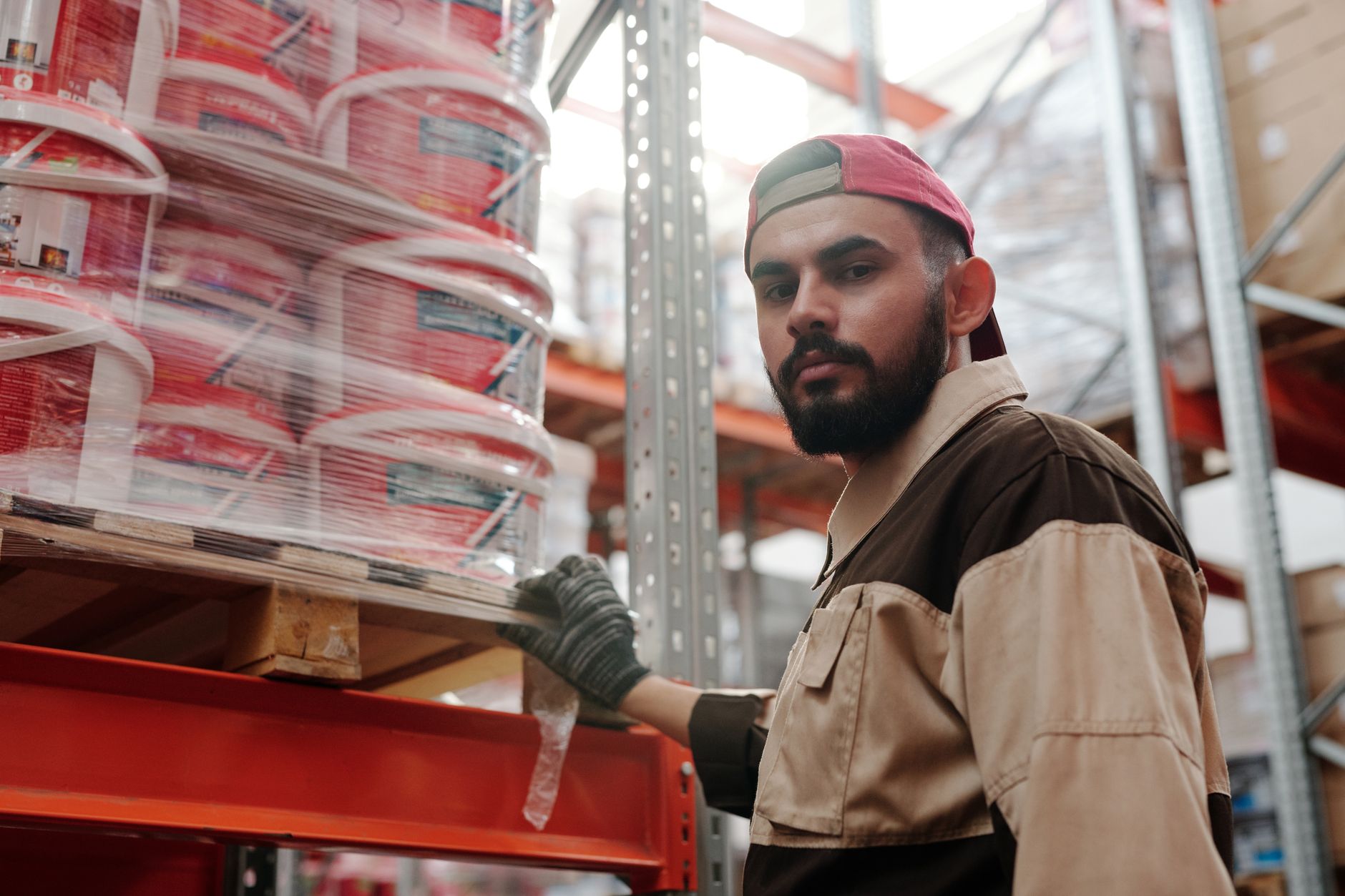
Choosing the right clothing supplier can make or break your custom apparel project. Whether you’re outfitting a Sydney corporate team in embroidered polos, organising branded t-shirts for a Gold Coast community event, or sourcing hi-vis workwear for a Perth construction crew, the supplier you partner with will directly affect the quality of your garments, the accuracy of your branding, and ultimately, how your organisation is perceived. With so many options available across Australia, knowing what to look for — and what questions to ask — will save you time, money, and a whole lot of frustration.
Why Choosing the Right Clothing Supplier Matters
Custom apparel is one of the most visible forms of branded merchandise. Unlike a promotional pen that might sit in a drawer, a well-made branded t-shirt or hoodie gets worn out in the world. It becomes a walking advertisement for your business, school, club, or cause. Get it right, and your team looks professional and cohesive. Get it wrong, and you’re left with garments that fade after a few washes, logos that peel or crack, or sizing that doesn’t suit your audience.
For Australian organisations especially, working with a reliable clothing supplier who understands local needs — including turnaround times that account for domestic freight, familiarity with Australian workplace safety standards for workwear, and the ability to match PMS colours accurately — is essential. A Brisbane primary school ordering custom sports day t-shirts has very different requirements to a Melbourne professional services firm sourcing conference polos. The right supplier will understand those nuances and guide you accordingly.
Key Factors to Evaluate When Selecting a Clothing Supplier
Product Range and Garment Quality
The first thing to assess is whether the supplier can actually provide what you need. A strong clothing supplier will offer a broad catalogue that includes options across multiple product categories — from basic cotton tees and performance singlets through to premium embroidered business shirts, zip-up hoodies, caps, and specialised safety workwear.
Don’t underestimate the importance of garment quality. Ask about fabric weights, fibre compositions, and whether the blanks are sourced from reputable wholesale apparel brands. A 180gsm cotton tee will behave very differently to a 220gsm version — and for a long-running corporate uniform, that difference matters. If possible, request samples before committing to a large order. Most reputable suppliers can provide pre-production samples or at minimum direct you toward swatch options so you can assess the fabric feel and construction in person.
You should also consider whether the garments are available in an inclusive size range. For organisations ordering across a whole team or school group, having access to sizes that genuinely cater to all body types is a non-negotiable.
Decoration Methods and Capabilities
Your clothing supplier’s in-house or partnered decoration capabilities will significantly influence the final look of your branded apparel. Different methods suit different garment types and design requirements, and a knowledgeable supplier should be able to recommend the most appropriate technique for your specific brief.
For a deeper breakdown of common decoration techniques, our guide to screen printing vs embroidery for branded clothing is worth reading before you finalise your decision. In general terms:
- Screen printing is ideal for large runs of t-shirts with bold, flat-colour designs and offers excellent cost efficiency at volume
- Embroidery delivers a premium, professional finish and is best suited to polos, caps, and corporate shirts where longevity and texture matter
- Heat transfer and digital printing offer flexibility for complex full-colour designs or smaller runs where screen printing setup fees would be prohibitive
- Sublimation works beautifully for polyester garments such as sports jerseys and allows edge-to-edge printing
- Laser engraving can be used on certain accessories and leather-patch elements for a refined aesthetic
A supplier who only offers one or two of these methods may not be the right fit for every project. If your organisation orders a range of different apparel items throughout the year, working with a supplier who has broad decoration capabilities will simplify your procurement process considerably.
Minimum Order Quantities and Pricing Tiers
Minimum order quantities — commonly referred to as MOQs — vary significantly between clothing suppliers. Some suppliers require a minimum of 50 units per design to make a run economically viable, while others may accommodate runs as small as 12 or 24 pieces for embroidered garments.
Understanding how a supplier’s pricing tiers work is equally important. Most custom apparel suppliers operate on a sliding scale, where the per-unit price decreases as your order quantity increases. A Canberra government department ordering 500 branded shirts will pay far less per unit than a small Adelaide charity ordering 30. Knowing your quantity upfront — and being honest about your budget — will help your supplier recommend the most cost-effective solution.
Be aware of setup fees, which are common particularly with screen printing (where screens need to be created for each colour in your design) and embroidery (where a digitising fee applies to convert your artwork into a stitch file). These are typically one-off costs that are waived or reduced on repeat orders, so building a long-term relationship with a trusted supplier can deliver genuine savings over time. Our breakdown of typical setup fees for custom apparel explains what to expect in more detail.
Artwork Handling and Proofing Process
A professional clothing supplier will have a clear, structured artwork handling process. Before production begins, you should expect to receive a digital proof showing exactly how your design will appear on the garment — including positioning, size, and colour representation.
Check that the supplier can work with vector artwork files (typically .ai or .eps formats), which are essential for clean reproductions at any size. If your logo only exists in low-resolution formats, a good supplier will either have in-house design capabilities to redraw it or will clearly communicate what’s needed from you. For guidance on preparing your files correctly, our artwork setup guide for custom merchandise orders covers the essentials.
PMS colour matching is also worth discussing upfront, particularly for corporate clients with strict brand guidelines. Not all decoration methods support exact PMS matching, so your supplier should be transparent about colour accuracy limitations for your chosen technique.
Turnaround Times and Reliability
Turnaround times in the Australian custom apparel market typically range from 10 to 21 business days for standard orders, though this varies depending on the complexity of the job, the decoration method, and the supplier’s current production capacity. Rush turnaround options are sometimes available at an additional cost.
If you’re ordering for a specific event — say, branded uniforms for a Hobart trade expo or team jerseys for a Darwin sporting tournament — you’ll want to confirm your supplier’s production and delivery timeline well in advance. Factor in at least a few extra days as a buffer for freight, particularly if you’re in a regional area. Our guide to planning your custom merchandise timeline walks through how to structure your order schedule to avoid last-minute stress.
Reliability is also about communication. A good clothing supplier will keep you updated throughout the production process, flag any potential issues early, and provide tracking information once your order has shipped. Don’t underestimate the value of a responsive account manager — particularly for larger or more complex orders.
Questions to Ask Before You Commit
Before placing an order with any new clothing supplier, run through these key questions:
- Can I order samples or see garment swatches before committing?
- What file formats do you accept for artwork?
- Do you offer a digital proof before production begins?
- What are your standard turnaround times, and do you offer rush options?
- What is your policy if garments arrive damaged or the print quality doesn’t match the proof?
- Can you accommodate all the sizes we need, including plus sizes?
- Do you have experience supplying organisations similar to ours?
The answers to these questions will quickly reveal whether a supplier is set up to handle your project with the care and professionalism it deserves.
Choosing a Clothing Supplier for Specific Industries and Use Cases
Corporate and Business Uniforms
For corporate clients, consistency and professionalism are paramount. Look for a clothing supplier who has experience with business uniform programmes and can offer garment continuity across multiple order runs — meaning the same styles and colours remain available over time. Learn more about building a consistent corporate uniform programme to understand what long-term planning looks like.
Schools and Sporting Clubs
Schools and community sporting clubs often operate on tighter budgets and may need garments across a wide age and size range. Suppliers who understand the school and club market will be familiar with requirements like sun-safe fabrics, durable screen-print inks that withstand repeated washing, and the logistics of consolidating orders from multiple families or members. Our guide to ordering custom apparel for schools covers this in detail.
Events and Conferences
Event merchandise requires precision timing above all else. For large-scale events in cities like Melbourne or Brisbane, a supplier who can handle both the apparel component and other branded items in a single order can simplify logistics considerably. Check our overview of essential event merchandise categories for broader planning guidance.
Eco-Conscious Organisations
If sustainability is a priority for your organisation, look for a clothing supplier who stocks certified organic, recycled, or ethically sourced garment options. Our guide to sustainable and eco-friendly branded apparel explores what certifications and materials to look for.
What to Watch Out For
Even with careful vetting, there are some common pitfalls when sourcing custom apparel. Be cautious of suppliers who:
- Can’t provide a physical sample or a detailed digital proof before production
- Are vague about turnaround times or unwilling to commit to a delivery date
- Have no clear returns or quality guarantee policy
- Offer prices that seem unusually low — this often signals inferior garment quality or rushed decoration work
Our checklist for evaluating a new merchandise supplier is a helpful reference when comparing your options.
Conclusion: Key Takeaways for Finding the Right Clothing Supplier
Finding the right clothing supplier for your Australian organisation is a process worth investing time in. The right partner will not only deliver quality garments but will become a trusted extension of your brand — someone who understands your needs, communicates clearly, and consistently delivers results you’re proud to put your logo on.
Here are the key points to take away:
- Assess garment quality and range first — confirm fabric weights, size inclusivity, and product variety before anything else
- Understand decoration capabilities — the right method for your design and garment type will directly affect the quality of the final result
- Clarify MOQs, pricing tiers, and setup fees upfront — this protects your budget and prevents surprises
- Prioritise communication and proofing processes — a supplier who provides clear digital proofs and stays in touch throughout production is invaluable
- Plan your timeline carefully — build in buffer time for freight and production, especially for event-based orders
- Ask the hard questions before you commit — a reputable clothing supplier will welcome them