
How to Get Branded Clothing for Cheap Without Sacrificing Quality
Discover how Australian businesses and organisations can source affordable branded clothing without cutting corners on quality or presentation.

Written by
Mason Park
Custom Apparel
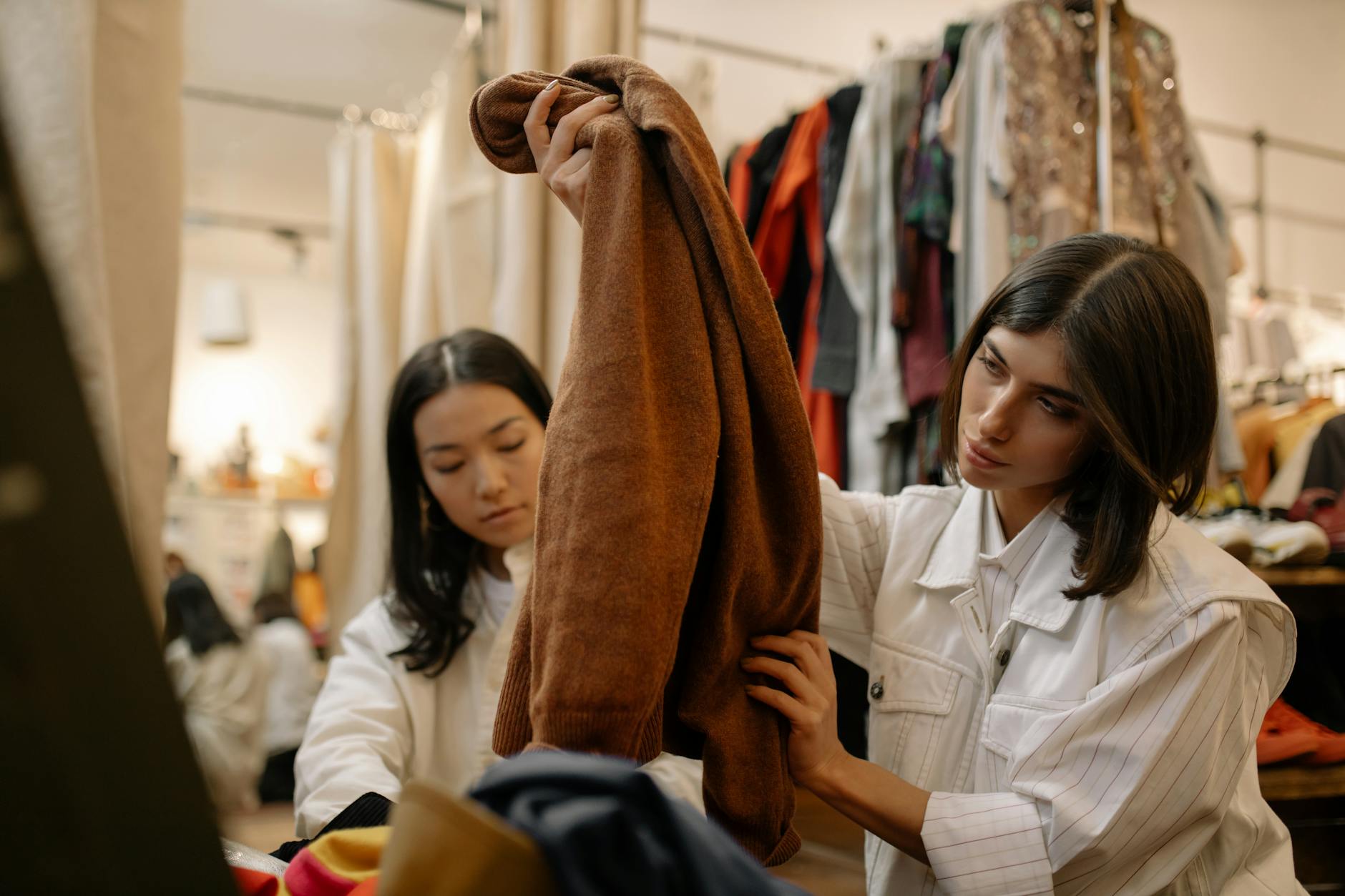
Branded clothing is one of the most powerful marketing tools available to Australian businesses, schools, sporting clubs, and event organisers — but the moment you start requesting quotes, the costs can feel overwhelming. The good news? Getting branded clothing for cheap doesn’t mean settling for flimsy fabric, washed-out prints, or a logo that peels off after two washes. With the right approach to product selection, decoration methods, order volumes, and artwork preparation, you can stretch your budget significantly further than you might expect. This guide walks you through everything you need to know.
Why Branded Clothing Remains Worth the Investment
Before diving into cost-saving strategies, it’s worth understanding why branded apparel continues to deliver strong return on investment. Unlike a social media ad that disappears after a few days, a well-made branded t-shirt or polo can be worn dozens or even hundreds of times — each wear generating passive brand impressions among colleagues, customers, and the general public.
For a Sydney-based small business kitting out five staff members with embroidered polo shirts, or a Brisbane community sporting club ordering screen-printed training tees for the season, the per-impression cost of branded clothing is remarkably low compared to most other marketing spend. Even when ordering on a tight budget, the ongoing visibility that branded apparel creates makes it a genuinely smart investment.
That said, spending wisely is always better than overspending. Let’s look at how to do exactly that.
Understanding What Drives the Cost of Branded Clothing
To find the best value, you first need to understand what you’re actually paying for. The total cost of a branded clothing order typically breaks down into a few key components:
- The blank garment itself — fabric quality, brand, and style all influence the base price
- Decoration method — screen printing, embroidery, heat transfer, and sublimation all carry different costs
- Setup fees — most decoration methods require a one-time setup or screen fee per colour
- Quantity — the single biggest lever you have over pricing
- Turnaround time — rush orders almost always attract a premium
Understanding these components means you can make smarter trade-offs. For example, if your budget is tight but your order volume is high, you may be able to absorb setup fees more comfortably because the per-unit cost drops with scale.
For a deeper understanding of how different print methods affect pricing and suitability, our guide to screen printing vs embroidery breaks down the pros and cons of each in detail.
Choosing the Right Decoration Method to Keep Costs Down
Decoration method is one of the fastest ways to either blow your budget or protect it. Here’s a practical overview:
Screen Printing
Screen printing is generally the most cost-effective method for large runs of the same design. A Melbourne warehouse distributing 200 branded t-shirts for a trade show, for example, would likely find screen printing delivers the best per-unit price. However, setup fees apply per colour in your design — so a five-colour logo will cost considerably more to set up than a single-colour print.
If you’re working with branded clothing for cheap, consider simplifying your artwork to one or two colours. A clean, single-colour logo on a quality blank garment can look incredibly sharp and professional without the added cost of multi-colour setups.
Embroidery
Embroidery is ideal for polos, caps, and corporate workwear where a premium look is required. It’s generally more expensive per unit than screen printing, but prices become much more competitive at higher stitch counts when ordering in bulk. Embroidery also carries a digitisation fee (the one-time cost to convert your logo into an embroidery file), which is typically a fixed cost regardless of how many garments you order.
For organisations in Canberra ordering government-branded polo shirts or Adelaide corporate teams sourcing embroidered workwear, embroidery often makes sense for its perceived quality and durability — even on a managed budget.
Heat Transfer and DTG
Heat transfer and direct-to-garment (DTG) printing suit smaller runs with complex, multi-colour designs. They’re useful when you need five to twenty pieces with full-colour artwork, but they’re rarely the most economical choice for large orders. If you’re after branded clothing for cheap at volume, these methods are typically not the right starting point.
Our overview of decoration methods for custom apparel covers each option in much more detail if you’re still weighing up your choices.
How Order Quantity Affects Your Price Per Unit
This is the single most important factor in reducing the cost of branded clothing. Promotional product pricing uses tiered structures — the more you order, the less you pay per piece. The difference between ordering 24 garments and ordering 100 garments can be dramatic, sometimes cutting the per-unit price by 40 to 60 percent.
If your organisation only needs 20 shirts, consider whether you can combine orders with another department, another season’s stock, or even a sister organisation. A Gold Coast events company running multiple events throughout the year, for instance, might save significantly by consolidating two or three smaller orders into one annual bulk run.
Also be aware of minimum order quantities (MOQs). Many decorators have MOQs of 12 to 25 units for screen printing, and sometimes fewer for embroidery. Going below these minimums typically triggers surcharges that quickly erode any savings you thought you’d made.
Our guide to minimum order quantities for promotional products explains how MOQs work and how to navigate them effectively.
Selecting the Right Garment for Your Budget
Garment selection can make or break a budget. Here’s a practical framework:
Budget-Friendly Options That Still Look Great
Not every situation calls for a premium garment. For event giveaways, volunteer shirts, school sports days, or large-quantity staff uniforms, mid-range blank t-shirts and polos from reputable suppliers offer an excellent balance of quality and cost. These garments typically feature 180–200gsm cotton or cotton-blend fabric, hold decoration well, and wash durably.
A Hobart charity running a fundraising walk might order 150 bright-coloured t-shirts in this range and achieve a very professional result without overspending.
When to Invest More Per Garment
If branded clothing is going to be worn regularly by customer-facing staff — think retail assistants in Perth, hospitality teams in Melbourne, or real estate agents in Sydney — it’s worth spending a little more on the garment itself. A better-quality blank garment will hold its shape, maintain colour vibrancy, and represent your brand more professionally over time.
The false economy of choosing the cheapest possible garment and then applying a quality decoration is one of the most common mistakes organisations make. A sharp embroidered logo on a garment that pills and fades after six washes ultimately costs more in the long run.
For help choosing the right garment style for your application, our comparison of t-shirts vs polo shirts for branded workwear is a useful starting point.
Preparing Your Artwork to Avoid Costly Revisions
Poor artwork preparation is one of the hidden costs that catches many first-time buyers off guard. Supplying low-resolution images, files in the wrong format, or artwork that requires significant redesign before printing can add fees that quickly eat into your savings.
To keep costs down:
- Supply vector files where possible (AI, EPS, or PDF formats)
- Confirm your PMS (Pantone) colours upfront if colour accuracy matters
- Simplify complex designs to reduce colour counts
- Ask your supplier for an artwork template before designing
Our artwork preparation guide for branded merchandise walks through exactly what suppliers need and how to get it right the first time.
Timing Your Order to Avoid Rush Fees
Rush fees are another budget killer that’s entirely avoidable with good planning. Most decoration suppliers in Australia operate on standard turnaround times of 10 to 15 business days once artwork is approved. Rush jobs — those needed in five business days or fewer — regularly attract surcharges of 20 to 50 percent.
If you’re organising branded clothing for an event, a product launch, or the start of a new sporting season, build your order timeline backwards from your required date and add a week’s buffer. For a Darwin business preparing for a conference in six weeks’ time, starting the order process now rather than in four weeks could mean the difference between paying standard rates and paying a significant rush premium.
Eco-Friendly Options That Won’t Break the Budget
Sustainability is increasingly important to Australian organisations, and the good news is that eco-friendly branded apparel has become much more affordable in recent years. Recycled PET fabric tees, organic cotton blends, and bamboo-infused garments are now available at price points that are competitive with conventional garments, particularly at moderate to high quantities.
For councils, universities, and not-for-profits that need to demonstrate environmental responsibility in their procurement, this is an important consideration. Our guide to eco-friendly promotional products covers the full range of sustainable options currently available in Australia.
Avoiding Common Mistakes When Ordering on a Budget
A few final pitfalls to steer clear of:
- Ordering too few garments — falling below MOQs or pricing tiers costs more per unit
- Choosing too many colours — simplify your logo for decoration purposes
- Leaving artwork prep too late — build in time for proofing and revisions
- Ignoring sizing distribution — ordering the wrong size breakdown leads to waste
- Skipping the sample process — always request a pre-production sample when ordering a new garment style for the first time
For more practical advice on managing a large apparel order, our tips for ordering bulk branded t-shirts and how to manage a branded merchandise project from start to finish are both worth reading before you finalise your order.
Conclusion: Key Takeaways for Getting Branded Clothing for Cheap
Sourcing affordable branded clothing in Australia is absolutely achievable — and it doesn’t require compromising on quality or professionalism. By approaching your order strategically, you can deliver great-looking garments that represent your brand well while staying firmly within budget.
Here are the key points to remember:
- Order in bulk — quantity is the single most powerful lever for reducing cost per unit
- Choose the right decoration method — screen printing for large runs, embroidery for premium workwear, and keep colour counts low to minimise setup fees
- Select garments wisely — match garment quality to the application, and don’t sacrifice durability for the cheapest upfront price
- Prepare your artwork correctly — supply vector files and confirm colours upfront to avoid revision fees
- Plan your timeline — avoid rush fees by ordering well in advance of your deadline
With these strategies in place, getting branded clothing for cheap becomes less about cutting corners and more about making smart, informed decisions at every step of the process.